
Introduction to Tuscan Ragu
What is Tuscan Ragu and Why is it Beloved?
Tuscan Ragu, a true masterpiece of Italian cuisine, is more than just pasta sauce; it’s a comforting embrace on a plate. Originating from Tuscany, this rich, meaty sauce blends the flavors of ground beef and pork, simmered slowly with a symphony of fresh vegetables and aromatic herbs. The result? A sauce that bursts with flavor and is cherished by many for its heartwarming essence and adaptability.
Why do so many enthusiasts fall in love with Tuscan Ragu? It’s a dish that resonates with tradition, often being prepared during family gatherings and festive occasions. According to culinary expert Marcella Hazan, using quality ingredients and patience is key to achieving that authentic taste. The slow cooking process melds the flavors harmoniously, resulting in a sauce that can elevate even the simplest of pastas.
Whether serving it over fresh pappardelle or using it as a base for lasagna, Tuscan Ragu transforms any meal into an enchanting experience. If you crave rustic, hearty flavors that evoke the warmth of Italian kitchens, then this ragu is a must-try. Ready to dive into making your own? Let’s get started on this delectable journey!
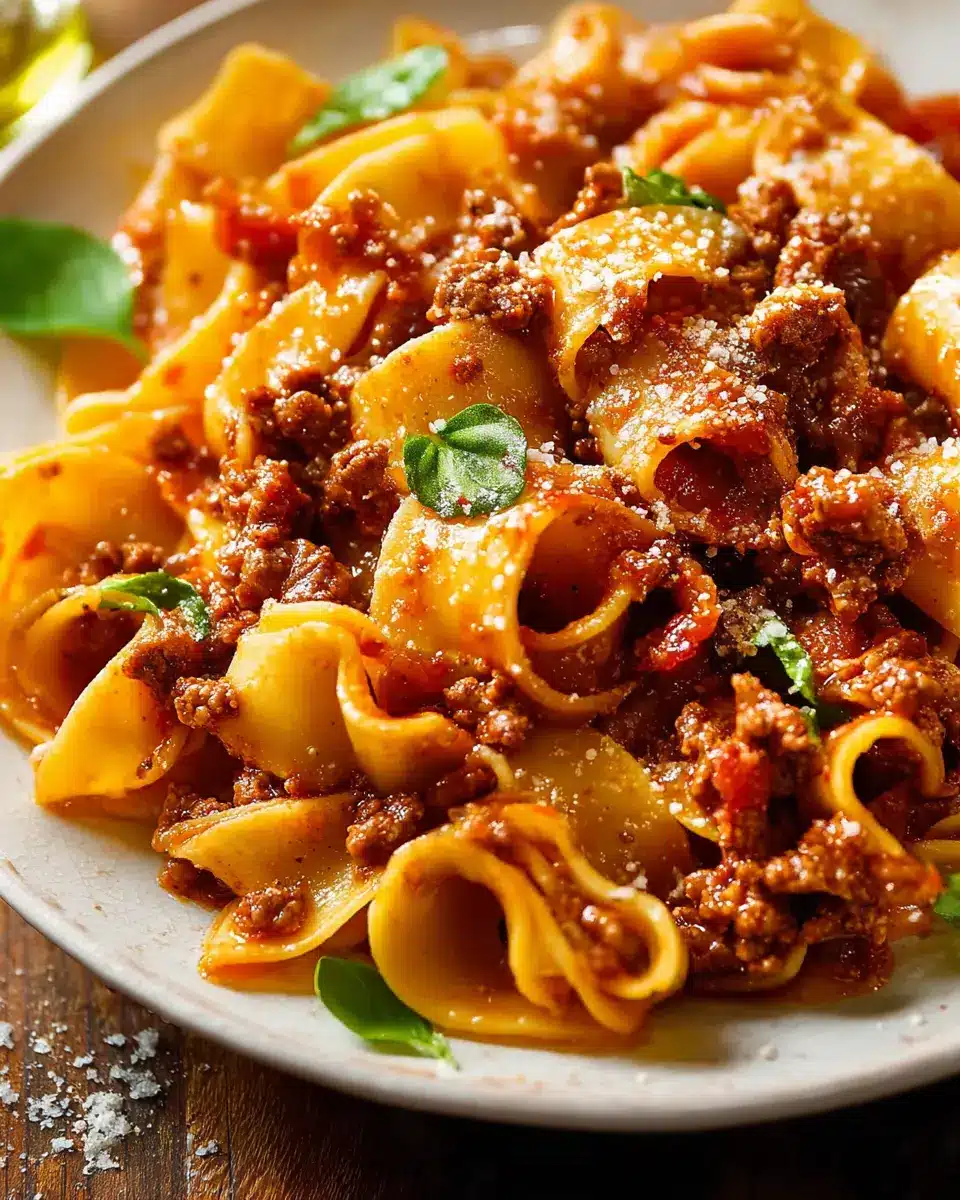
Ingredients for Tuscan Ragu
Key ingredients for a hearty sauce
To whip up a delicious Tuscan Ragu, you’ll want to gather some essential ingredients that form the heart and soul of this classic dish. Here’s what you need:
- Ground beef: This adds richness and depth to the sauce.
- Beef sausage: Adding this element creates a wonderful flavor profile.
- Aromatic vegetables: Chopped onions, celery, and carrots bring sweetness and texture.
- Fresh garlic: For a punchy, aromatic flavor.
- Herbs: Rosemary is a must for that distinctive Italian taste.
- Canned tomatoes and tomato passata: These form the sauce's base, giving it that beautiful crimson hue.
Quality matters: choosing the right meats and tomatoes
When making Tuscan Ragu, the quality of your ingredients can make all the difference. Opt for high-quality ground beef and sausage for best results. Look for fresh or organic products when selecting canned tomatoes; San Marzano tomatoes are an excellent choice for their sweetness and low acidity.
By using top-notch ingredients, you'll elevate your sauce to a whole new level—trust me, your pasta will thank you!
Preparing Tuscan Ragu
Cooking your own Tuscan Ragu is not only a rewarding experience but also a delicious way to bring the heart of Italy into your kitchen. This step-by-step guide will make the process feel approachable, even for novice cooks!
Gather Your Ingredients
Before diving into cooking, it's essential to gather all your ingredients together. You'll need:
- Olive oil
- Chopped onion
- Diced celery (2 ribs)
- Chopped carrots (2 medium)
- Minced garlic (2-3 cloves)
- Fresh rosemary (1 sprig, leaves only)
- Ground beef (900g / 2lbs)
- Sausage (450g / 1lb, casing removed)
- Tomato passata or crushed tomatoes (500ml / 17½ oz)
- Canned chopped tomatoes (400g / 14oz)
- Tomato paste (3 tbsp)
- Salt and black pepper to taste
Having everything prepped will not only make your cooking experience smoother but also ensure you don’t step away in search of an ingredient midway through. Trust me; there's nothing worse than missing an ingredient when the timer is ticking!
Sauté the Vegetables
In your cast iron Dutch oven, heat about 1 tablespoon of olive oil over low heat. Add in your chopped onions, diced celery, chopped carrots, minced garlic, and the fragrant rosemary leaves. Let these ingredients cook gently for about 10 minutes. The goal here is to soften the vegetables without letting them brown. The aromatic combination of these veggies will form a flavorful base for your ragu.
Brown the Meats
Now it’s time to make this Tuscan Ragu hearty! Increase the heat to medium and add both the ground beef and the sausage to the pot. Break apart the meat with a spatula, stirring continuously until it’s browned and no longer pink. This step is crucial as it develops rich flavors that will enhance your sauce.
Combine the Tomatoes and Simmer
Once your meats are beautifully browned, pour in the tomato passata and canned chopped tomatoes. Add 3 tablespoons of tomato paste along with a pinch of salt and black pepper. Bring the mixture to a gentle simmer. It should start bubbling softly. After that, lower the heat, cover the pot, and let this magical concoction simmer away for about 1.5 hours. The longer it simmers, the richer the flavors will become!
Stir and Monitor as It Cooks
Every once in a while, give your Tuscan Ragu a good stir. This will help to prevent it from sticking to the bottom of the pot. If you notice it’s getting a bit thick, feel free to splash in a bit of water—it'll help maintain that perfect sauce consistency. By the end of the cooking time, you should have a thick, meaty sauce that's bursting with flavor.
Taking the time to prepare this Tuscan Ragu is well worth it, trust me—you'll be rewarded with a rich, comforting flavor that makes pasta nights feel extra special! Don't forget to taste at the end and adjust the salt if needed. Enjoy!
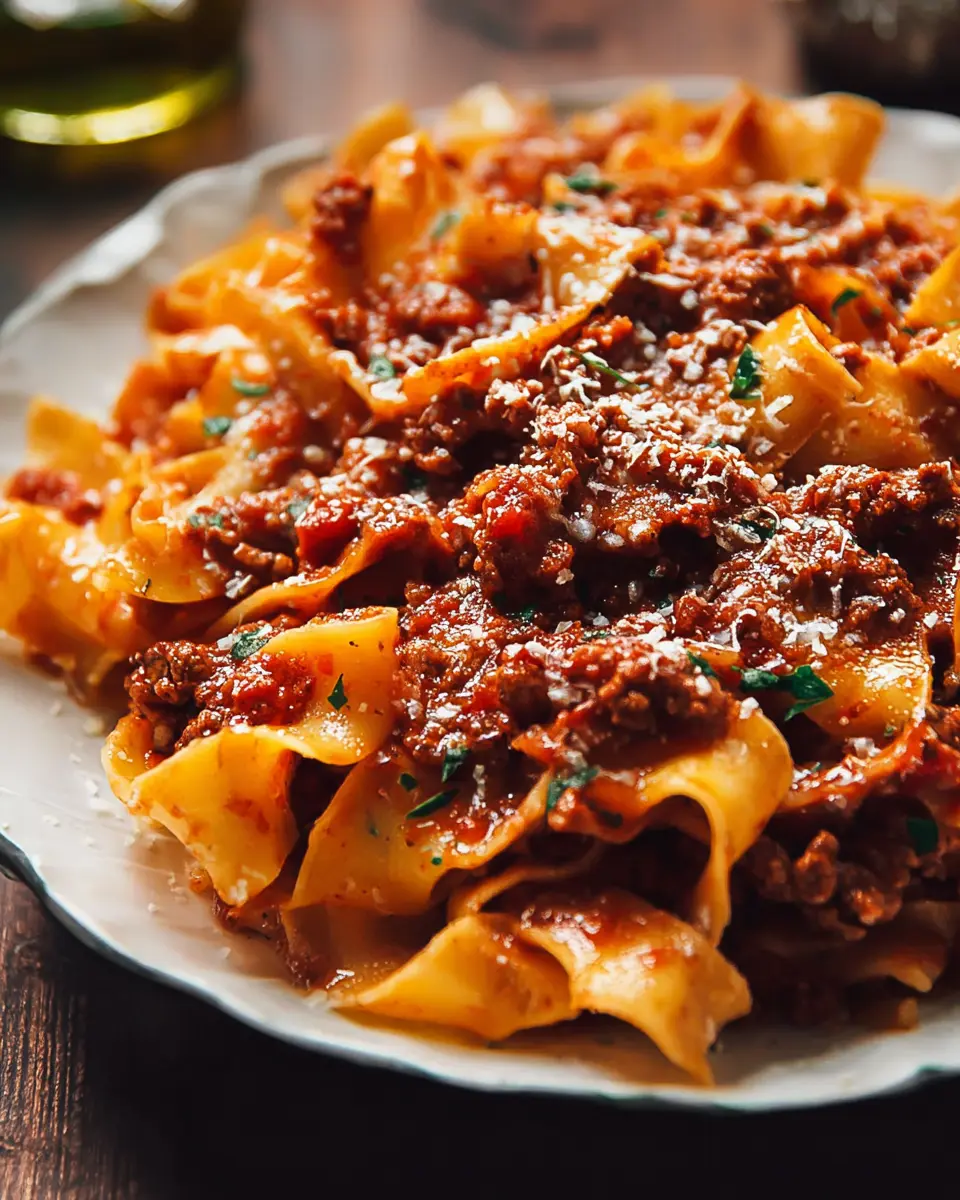
Variations on Tuscan Ragu
Vegetarian Tuscan Ragu
Looking for a meatless twist on the classic Tuscan ragu? Consider substituting the beef and sausage with canned lentils or mushrooms. These hearty ingredients provide a wonderfully rich texture without losing that comforting essence we love about this dish. Simply sauté onions, celery, and carrots, then mix in the lentils or mushrooms along with your tomatoes. It's a delicious way to enjoy a flavorful pasta sauce while meeting your dietary preferences. Plus, it’s an excellent source of plant-based protein!
Tuscan Ragu with Turkey Bacon
Switching up flavors can be fun, too! Using turkey bacon in your Tuscan ragu is a fantastic lower-fat alternative that adds a smoky flavor to the sauce. Begin by crisping the turkey bacon in your pot before adding the vegetables. Then follow the standard recipe to include the beef and sauce. This simple change can elevate the entire dish, providing a unique taste that keeps things interesting. Just remember to adjust the salt, as turkey bacon is often saltier than traditional pork bacon.
These variations allow you to experiment and customize your Tuscan ragu to your liking!
Cooking tips and notes for Tuscan Ragu
Enhancing the flavors
To elevate your Tuscan Ragu, consider using fresh herbs like thyme or bay leaves alongside rosemary for added depth. A splash of balsamic vinegar can also impart a delightful tanginess. For an extra touch of luxury, finish your ragu with a pat of butter or a sprinkle of grated Parmigiano-Reggiano, enhancing both the flavor and texture. Don't rush the simmering process; the longer it cooks, the richer the flavors become. Aim for a thick, luscious sauce that clings beautifully to your pasta.
How to store and reheat leftover ragu
Leftover Tuscan Ragu is a culinary treasure! Store it in an airtight container in the fridge for up to three days or freeze it for up to three months. When reheating, add a splash of water or broth to loosen the sauce and avoid drying it out. Gently warm it on the stove, stirring occasionally for consistency. Alternatively, you can microwave it in short bursts, stirring in between, ensuring the flavors remain vibrant when you serve this hearty dish again.
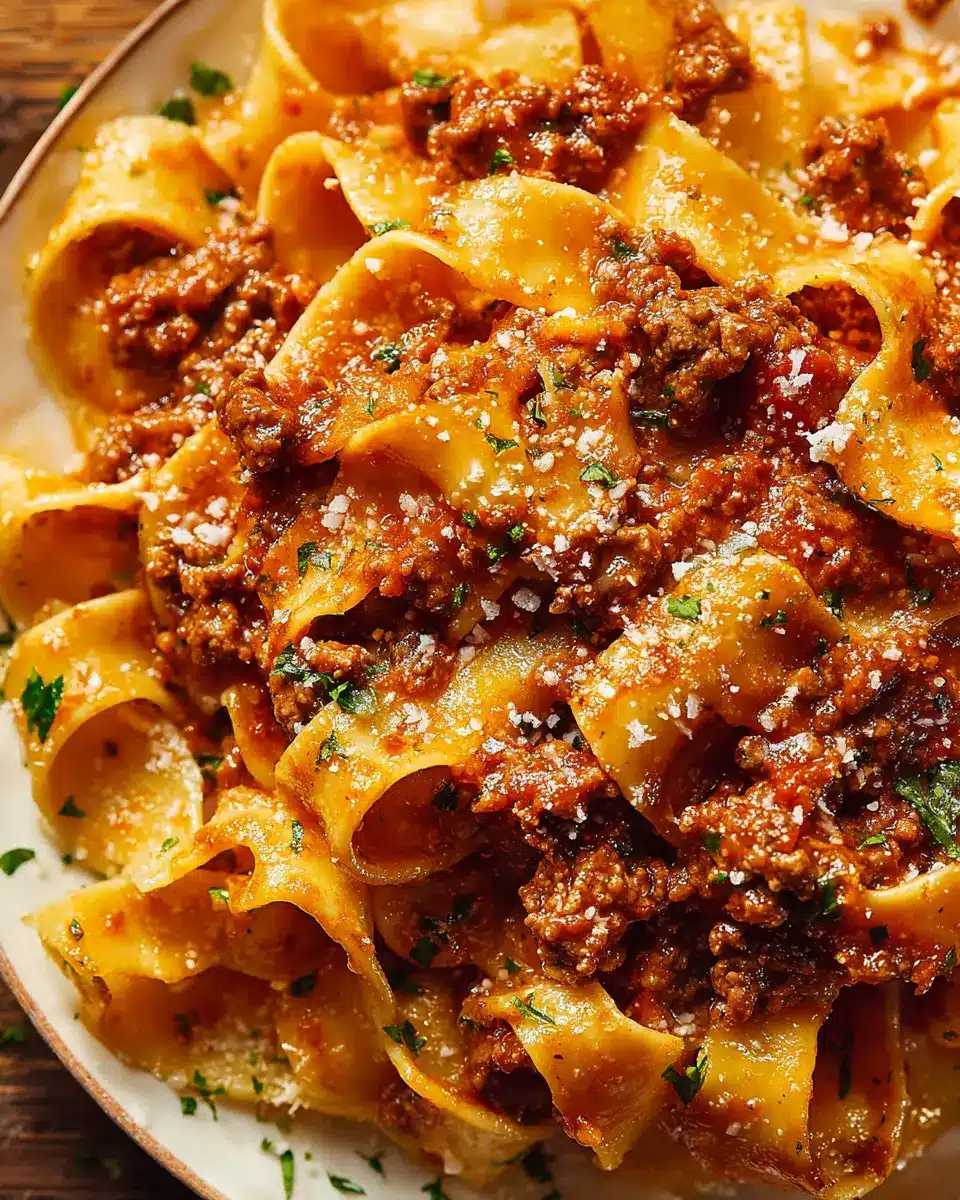
Serving suggestions for Tuscan Ragu
Recommended pasta pairings
When it comes to enjoying your Tuscan Ragu, pasta selection is key. Classic choices include:
- Tagliatelle: The wide ribbons hold the rich sauce beautifully.
- Pappardelle: This thick pasta provides a hearty bite, making every mouthful satisfying.
- Fusilli: The spirals trap the ragu, ensuring you get a taste in every forkful.
If you’re feeling adventurous, try it with gnocchi or even a bed of creamy polenta for a comforting twist!
Creative uses for leftover ragu
Don’t let any of your Tuscan Ragu go to waste! Here are a few ideas to repurpose any leftovers:
- Ragu lasagna: Layer it between sheets of pasta with béchamel sauce and cheese for a delicious baked dish.
- Stuffed peppers: Mix with vegetables and quinoa or rice, then fill bell peppers and bake until tender.
- Savory ragu casserole: Combine with rice or mashed potatoes, top with cheese, and bake until bubbly.
The possibilities are endless! Use your creativity to turn any extra ragu into something special.
Time Breakdown for Tuscan Ragu
Preparation time
You’ll need about 20 minutes to gather and chop your ingredients. Be sure to take your time with this step; properly prepping will lead to a smoother cooking experience.
Cooking time
The actual cooking takes around 2 hours, allowing the flavors to meld beautifully. Patience is key here, as the longer it simmers, the richer your Tuscan Ragu will become.
Total time
In total, you’re looking at about 2 hours and 20 minutes from start to finish. This makes it manageable for a weekend dinner when you can truly enjoy the process and savor the results.
If you're a fan of hearty meals, this recipe is definitely worth the time invested! For more tips, check out sources like BBC Good Food for additional cooking insights.
Nutritional Facts for Tuscan Ragu
When you whip up a pot of Tuscan Ragu, you're not just creating a comforting meal; you're also packing in some solid nutrition. Here’s a quick breakdown of the key stats:
Calories
A hearty serving contains about 338 calories, making it satisfying without going overboard.
Protein
You’ll benefit from 28g of protein, thanks to the mix of beef and ample ingredients, helping you feel full and energized throughout your busy day.
Sodium
With around 706mg of sodium, it's a good idea to monitor your salt intake, especially if you're watching your sodium consumption.
Enjoy your culinary journey with this classic Italian dish while keeping these nutritional facts in mind! For more insights on balanced meals, check out Healthline.
FAQs about Tuscan Ragu
Can I make Tuscan Ragu in advance?
Absolutely! Tuscan Ragu tastes even better the next day as the flavors meld together. Prepare it ahead of time and refrigerate for up to three days. You can also freeze it for up to three months. Just remember to thaw it overnight in the fridge before reheating!
What are the best sides to serve with ragu?
Pair your Tuscan Ragu with a variety of sides for the ultimate meal experience. Consider serving it with:
- Freshly baked garlic bread
- A vibrant green salad with balsamic vinaigrette
- Simple roasted vegetables to balance the richness
- Or, of course, classic pasta like pappardelle or tagliatelle
How do I make a lighter version of Tuscan Ragu?
To create a lighter Tuscan Ragu, swap the beef for lean turkey mince or a mix of turkey and chicken ham. You can also reduce the amount of olive oil or use low-sodium broth instead of some canned tomatoes. This way, you can enjoy the flavors without significantly compromising on taste!
For more tips on healthy cooking, check out this article from Healthline.
Conclusion on Tuscan Ragu
In summary, Tuscan Ragu is not just a dish; it's a celebration of rich flavors and comforting tradition. With minimal prep and a slow-cooked depth that warms the soul, this recipe is perfect for gatherings or cozy weeknight dinners. Give it a try, and elevate your pasta game!
For a deep dive into Italian cuisine, check out this article on the origins of ragu sauce!
Tuscan Ragu
Equipment
- cast iron Dutch oven
Ingredients
- 1 tablespoon olive oil
- 1 whole onion chopped
- 2 ribs celery diced
- 2 whole carrots chopped
- 2-3 cloves garlic
- 1 sprig rosemary leaves only
- 900 g beef mince 900g / 2lbs
- 450 g pork sausage casing removed
- 250 ml dry red wine anything you like but not cooking wine
- 400 g canned chopped tomatoes
- 500 ml tomato passata or crushed tomatoes
- 3 tablespoon tomato paste
- salt to taste
- 0.5 teaspoon black pepper
Instructions
- In a large and deep frying pan or a Dutch Oven, heat 1 tablespoon of olive oil, then add diced onions, carrots, celery, minced garlic and chopped rosemary leaves and cook on low heat for 10 minutes without colouring the vegetables. Then add ground beef, sausages, break up the beef and sausages with a spatula and brown it until the meat is no longer pink inside while stirring the whole time.
- Pour in the red wine and cook for about 10 minutes over medium heat, then pour in both types of canned tomatoes and tomato paste with a pinch of salt and pepper. Allow the sauce to come to a simmer, then lower the heat and cover with a lid, cook the ragu for 1.5 hours over low heat. Stir it once in a while, so it doesn't burn. If it gets a bit too thick, add a splash of water and continue cooking. At the end you should have a thick and very meaty sauce. Tastes it and add more salt if needed.




Leave a Reply