
Introduction to Poor Irish Soup
The story behind Poor Irish Soup
Have you ever found yourself staring into an empty fridge, wondering what to whip up for dinner? That's how Poor Irish Soup came into being. This humble dish was born out of necessity and simplicity, originating in the Irish countryside where frugality was key. With only a cabbage and some potatoes at my disposal, I created a hearty, filling soup that warms both the stomach and the soul.
Historically, Irish soups were crafted from leftover ingredients, showcasing how resourcefulness can create something delicious and comforting. The use of chicken ham and fresh vegetables like cabbage not only adds flavor but also pays homage to the traditional recipes passed down through generations. For more on the history of Irish cuisine, you might find this article from the National Museum of Ireland insightful.
What makes this Poor Irish Soup particularly special is its adaptability. Feel free to adjust the ingredients based on what you have on hand—like adding extra veggies or spices to match your taste. After all, good cooking is all about using what you have and making it work. So, the next time you're puzzled over what to cook, remember this simple, classic soup that tastes like home, even if your pantry is running low.
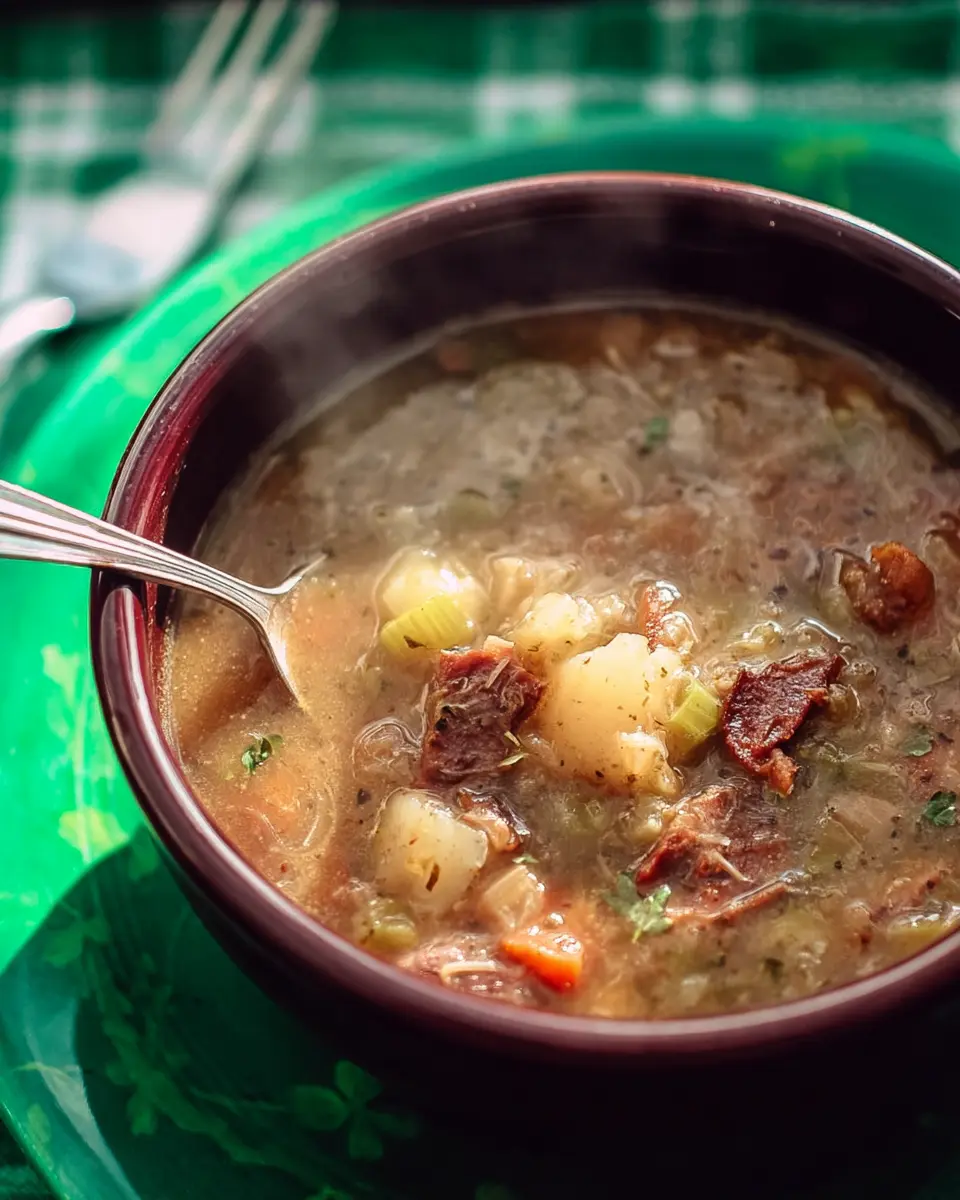
Ingredients for Poor Irish Soup
Essential ingredients for a wholesome soup
Creating a comforting bowl of Poor Irish Soup starts with some humble, yet nourishing ingredients. Here’s what you’ll need:
- 4 cups chicken stock: The foundation of your soup, providing rich flavor and warmth.
- 1 chicken ham hock: This adds depth and a satisfying meaty taste.
- 3 cups shredded cabbage: A staple in Irish kitchens, cabbage is nutritious and adds texture.
- 2 cups thinly sliced potatoes: These not only bulk up the soup but also contribute creaminess as they cook down.
- Salt and pepper to taste: Simple seasonings that bring the other flavors together.
Optional ingredients for customization
Feel free to personalize your Poor Irish Soup with additional ingredients. Consider these:
- 1 teaspoon cream or milk: For a dash of creaminess, try adding this option at the end.
- Vegetables like carrots or celery: These can enhance the soup’s flavor profile and increase its nutritional value.
- Herbs such as thyme or parsley: Fresh herbs can elevate the dish, adding a brightness that cuts through the rich broth.
This soup is versatile and perfect for experimenting with whatever you have on hand! For more ideas on seasonal vegetables, check out The Spruce Eats for inspiration.
Preparing Poor Irish Soup
Creating a comforting Poor Irish Soup is not only easy but also a delightful way to bring warmth into your home. With its humble ingredients, this soup proves that nourishing meals can originate from simple beginnings. Let’s dive into the preparation process together!
Gather your ingredients
Before we start cooking, it’s essential to get organized. Here’s what you’ll need:
- 4 cups chicken stock
- 1 chicken ham hock
- 3 cups shredded cabbage
- 2 cups thinly sliced potatoes
- 1 teaspoon cream or milk (optional, but adds a lovely richness)
- Salt and pepper to taste
Make a quick check against this list as you shop for your ingredients. Fresh cabbage and hearty potatoes are essential for this cozy dish. As a bonus, did you know that cabbage is packed with vitamins and minerals? It’s not just tasty—it’s also good for you!
Prepare the stock and chicken ham hock
Start by pouring the chicken stock into a large stockpot. Add the chicken ham hock and bring the mixture to a boil over medium heat. The ham hock is pivotal as it infuses the soup with a deep, savory flavor. After all, what’s a great soup without that rich depth? Once it's boiling, lower the heat to let everything simmer gently. Feel free to stir occasionally and watch as a delicious aroma begins to fill your kitchen—trust me, it will be tough to resist!
Incorporate the cabbage and potatoes
Once you’ve allowed the ham hock to work its magic for about 10 minutes, it’s time to add the shredded cabbage and sliced potatoes to the pot. These vegetables not only add texture but also bring a layer of sweetness that balances out the flavors beautifully. The vibrant green of the cabbage alongside the creamy potatoes makes this dish as appealing to the eye as it is to the palate!
Let it simmer to perfection
Cover the pot and allow the soup to simmer on low heat for about 30 minutes. This is the time when flavors meld beautifully, and the potatoes soften to the perfect consistency. If you catch yourself daydreaming in the kitchen, it's okay—the inviting scents should keep you engaged!
Final touches with cream and seasoning
After your soup is bubbling merrily, carefully remove the chicken ham hock. Remove the meat from the bone, discarding the bone, and return the tender meat to the pot. If you’re feeling indulgent, stir in the teaspoon of cream or milk to enrich the soup further. Finally, season with salt and pepper to taste. This is where you can adjust the flavors to match your preference—don’t be shy about tasting your creation!
You’ve just made a hearty batch of Poor Irish Soup that’s sure to warm your soul. Enjoy it with some crusty bread, and share it with friends or family—you’d be surprised at how something so simple can bring everyone together!

Variations of Poor Irish Soup
When it comes to Poor Irish Soup, versatility is key! You can easily adapt it to suit your dietary preferences or for a fresh twist on flavors.
Vegetarian-friendly adaptations
Want to skip the meat without sacrificing taste? Simply replace the chicken stock with a hearty vegetable broth and leave out the chicken ham. Add lentils or beans for a protein boost, and toss in some fresh herbs like thyme or parsley for an aromatic touch. Check out resources like Mindful Chef for inspiration on nutritious veggie recipes!
Adding in funky flavors
Feel adventurous? Spice up your Poor Irish Soup by adding unique ingredients. Consider a splash of apple cider vinegar or soy sauce for a tangy depth of flavor. You might even experiment with toppings like crispy turkey bacon or toasted seeds. These additions not only enhance taste but also keep every bowl exciting. For more ideas, explore BBC Good Food for creative flavor pairings!
By incorporating these variations, you’ll ensure your Poor Irish Soup remains a delightful and adaptable dish!
Cooking Tips and Notes for Poor Irish Soup
Tips for Enhancing Flavor
To elevate your Poor Irish Soup, consider adding aromatic vegetables like onions or garlic at the start. They provide a rich base of flavor! Fresh herbs, such as parsley or thyme, can give a vibrant touch. If you’re feeling adventurous, a splash of apple cider vinegar can brighten the flavors, balancing the earthiness of the cabbage and potatoes.
How to Store Leftovers
Leftover Poor Irish Soup can be a lifesaver for busy weeknights! Cool it completely, then transfer to airtight containers. It will keep well in the refrigerator for about three days or in the freezer for up to three months. When reheating, add a bit of water or stock to maintain your soup's delightful consistency. Enjoy your creation all over again!
For tips on storing and freezing soups, check out FoodSafety.gov.
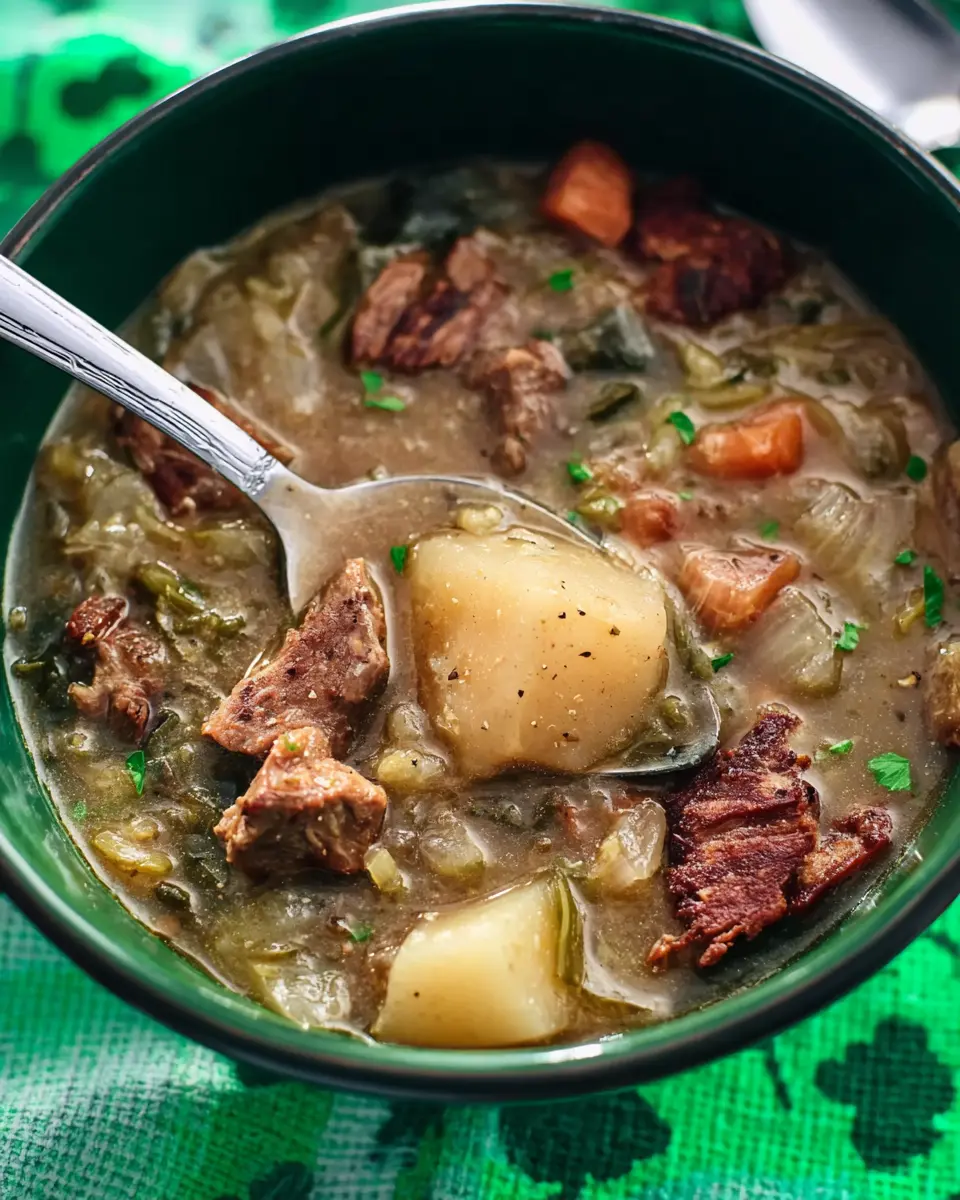
Serving Suggestions for Poor Irish Soup
Pairing Ideas for a Satisfying Meal
Enjoying a bowl of Poor Irish Soup on a chilly evening can be a heartwarming experience. To enhance this simple yet delightful dish, consider these pairing ideas:
-
Crusty Bread: A slice of fresh, crusty bread is perfect for soaking up the rich broth. Look for a hearty whole grain or sourdough variety from your local bakery.
-
Cheese Platter: Add a cheese platter featuring sharp Irish cheddar or creamy goat cheese. These can complement the soup's savory flavors while offering a delightful contrast in texture.
-
Side Salad: A light side salad with mixed greens and a tangy vinaigrette can add freshness to your meal. This helps balance the hearty nature of the soup.
These suggestions don't just make for a more complete meal; they also celebrate the culinary traditions behind Irish cooking. For more tips on pairing dishes, check out sources like BBC Good Food for inspiration!
Time Breakdown for Poor Irish Soup
Preparation Time
To get started on your Poor Irish Soup, you'll need about 15 minutes to prepare your ingredients. This includes chopping the cabbage and slicing the potatoes. Remember, it doesn’t have to be perfect—just a hearty effort will do!
Cooking Time
Once everything is prepped, the cooking process takes around 30 minutes. Simply combine your ingredients, let them simmer, and enjoy the enticing aromas as they meld together.
Total Time
In total, you're looking at about 45 minutes from start to finish. Perfect for a cozy weeknight dinner or a comforting weekend meal. This Poor Irish Soup not only warms the heart but is also a quick and nourishing option for busy lifestyles. For those considering meal prep, check out sources like Healthline for handy tips on batch cooking!
Nutritional Facts for Poor Irish Soup
Caloric Content
A hearty serving of Poor Irish Soup contains approximately 219 calories, making it a satisfying yet relatively light option for any meal. With a balance of calories and nutrients, this dish can easily fit into your daily diet, especially if you're watching your caloric intake.
Important Nutrients in the Soup
This comforting soup is not just delicious; it's packed with essential nutrients that contribute to your overall health. Key nutrients include:
- Protein: About 11g, helping with tissue repair and growth.
- Dietary Fiber: Contains 3g, which supports digestive health and keeps you feeling full.
- Vitamin C: At 35mg, it plays a vital role in boosting your immune system.
- Calcium: With 41mg, it helps maintain bone health.
- Iron: Provides 1mg to support red blood cell production.
For a deeper dive into these nutrients, consider checking out Healthline's nutrition section for more insights on how these vitamins and minerals can benefit your health.
Incorporating Poor Irish Soup into your routine can not only warm your soul but also provide a nourishing boost to your day-to-day life. If you're curious about adjusting the recipe to suit different dietary needs, feel free to explore substitutions that maintain its heartiness while enhancing flavors!
FAQs about Poor Irish Soup
Can I make this soup in advance?
Absolutely! Poor Irish Soup is perfect for meal prep. You can make it a day or two ahead and store it in the fridge. The flavors meld beautifully over time, and it can be a hearty choice for busy weeknights. Just reheat on the stove, and you might find it tastes even better!
What if I don't have a chicken hock?
No worries! If chicken hock isn’t available, you can substitute it with turkey bacon or even chicken breast for a lighter option. For a vegetarian version, consider adding sautéed mushrooms or a handful of beans for added protein. The key is to include something that can add depth to your stock.
How can I make this soup spicier?
If you crave a little heat in your Poor Irish Soup, try adding a dash of red pepper flakes or a splash of hot sauce while cooking. For a more robust flavor, you can also stir in some diced jalapeños or chipotle peppers. Adjust to your taste, and enjoy the warmth!
Conclusion on Poor Irish Soup
Why You Should Try Poor Irish Soup Today!
Have you ever found yourself with just a few ingredients and a desire for comfort food? Poor Irish Soup is perfect for that! Its simplicity allows for creativity; add herbs or proteins to enhance flavors. It’s nutritionally gooey and soul-soothing. Dive into this hearty dish and savor its warmth—your taste buds will thank you!
Poor Irish Soup
Equipment
- large stockpot
Ingredients
- 4 cups chicken stock
- 1 piece ham hock
- 3 cups shredded cabbage
- 2 cups thinly sliced potatoes
- 1 teaspoon cream or milk Optional
- salt to taste
- pepper to taste
Instructions
- Combine the stock, ham hock, and cabbage in a large stockpot; bring to a boil. Reduce heat to low; cover and cook until the potatoes are soft, about 30 minutes.
- Carefully separate the meat from the bone of the ham hock and dispose of the bone, adding the meat back to the soup. Stir in the cream; season with salt and pepper.




Leave a Reply