
Introduction to Homemade Ciabatta Rolls
Why Homemade Ciabatta Rolls Are a Game-Changer?
If you've ever sunk your teeth into a fresh ciabatta roll, you know just how transformative good bread can be. Imagine biting into a warm, crusty exterior that gives way to a light, airy interior. This is exactly what you can expect when you try your hand at the homemade ciabatta rolls recipe.
Homemade ciabatta rolls are a game-changer for several reasons:
- Customization: Making your own means you can customize the flavor. Add herbs, spices, or even cheese for a kick that you won’t find in store-bought varieties.
- Freshness: There’s nothing quite like the scent of freshly baked bread wafting through your kitchen. Your creation will be warm and ready, elevating any meal.
- Cost-effective: While artisan bread can carry a hefty price tag, making ciabatta at home is budget-friendly. You likely have the ingredients in your pantry already!
Whether you're prepping for a cozy dinner with friends or just craving that perfect sandwich roll, these homemade ciabatta rolls will become a staple in your kitchen. Want to dive into the recipe? Let’s get started!
For more tips on bread-making, check out King Arthur Baking.
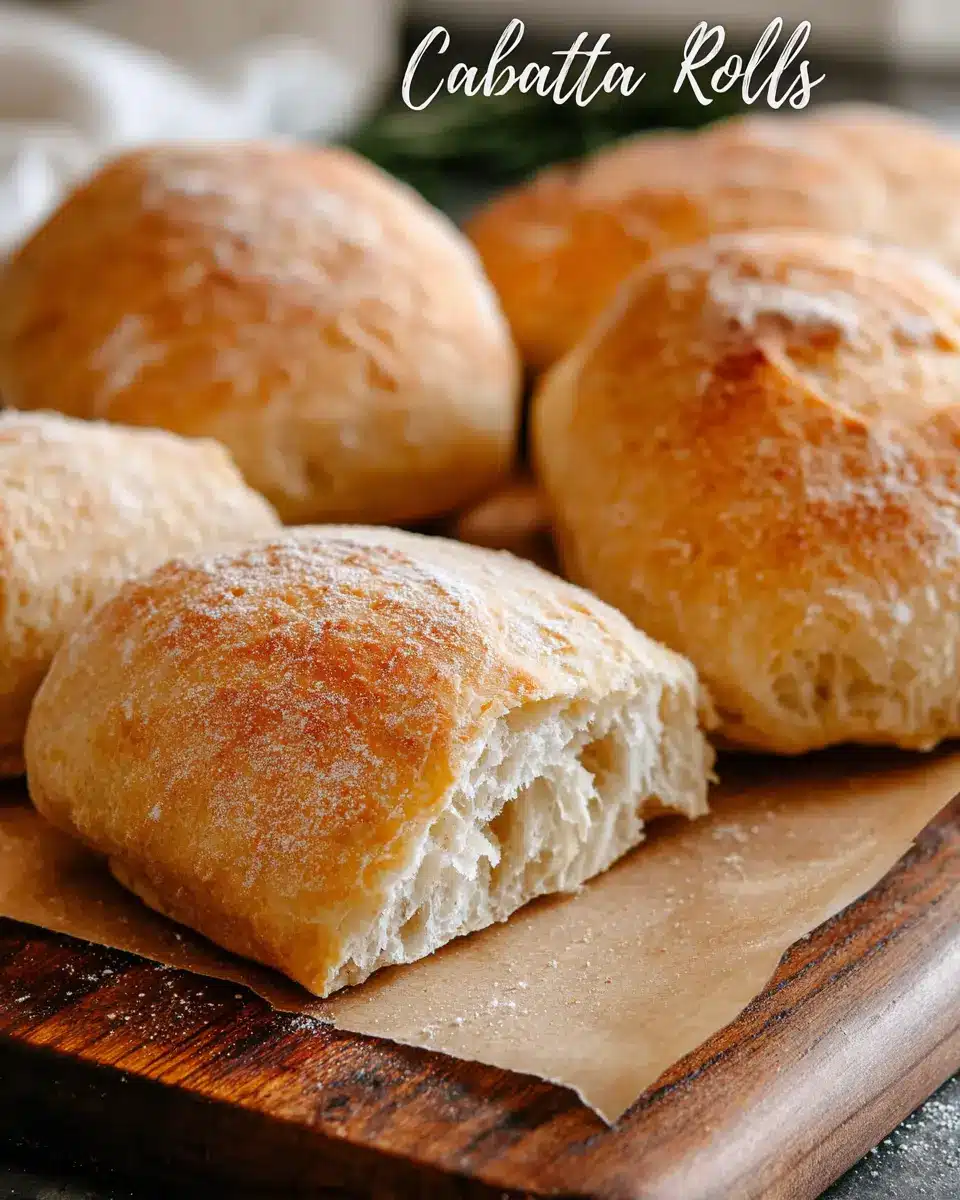
Ingredients for Homemade Ciabatta Rolls
Creating the perfect homemade ciabatta rolls starts with selecting the right ingredients. Don’t worry; it's simpler than it sounds! Here’s what you’ll need to get started:
- 3 cups bread flour: High-protein flour is key to achieving that lovely chewy texture ciabatta is known for.
- ½ tablespoon sea salt: It enhances flavor and strengthens the dough structure with its essential minerals.
- 1 ½ cups hot water: The warmth activates the yeast, ensuring your rolls rise beautifully.
- 1 packet Active Dry Yeast (around 2 ¼ teaspoons): This is the magic ingredient that will help your dough become airy and light.
- 2 tablespoon extra virgin olive oil: Not only does this add richness, but it also helps retain moisture, keeping your rolls soft.
Each of these ingredients plays a crucial role in creating a delicious batch of ciabatta. If you're looking to dive even deeper into bread-making, consider exploring the science behind yeast here!
By following this list, you’re already on your way to crafting delectable homemade ciabatta rolls that are perfect for any occasion. Happy baking!
Step-by-step Preparation for Homemade Ciabatta Rolls
Making your own Ciabatta rolls is a rewarding experience that not only fills your kitchen with an irresistible aroma but also allows you to customize the bread to your liking. Let’s dive right in!
Gather your equipment and ingredients
Before you start the mixing and rising process, make sure you have all the tools and ingredients ready. Here’s what you’ll need:
-
Equipment:
-
Large glass or ceramic bowl
-
Baking sheet
-
Spatula
-
Spray bottle
-
Ingredients:
-
3 cups bread flour
-
½ tablespoon sea salt
-
1 ½ cups hot water
-
1 packet of Active Dry Yeast (equivalent to about 2 ¼ teaspoons)
-
2 tablespoon extra virgin olive oil
Combine flour and salt
Begin by mixing the flour and salt in your large bowl. Whisk them together until they’re evenly combined, ensuring that the salt doesn’t settle at the bottom. This step is crucial for the flavor of your homemade ciabatta rolls.
Activate the yeast
Next, take your hot water and let it cool for a minute. Then, sprinkle the yeast into the water and give it a gentle whisk. Rest it for about 30 seconds to a minute until it becomes frothy. This means your yeast is alive and ready to work!
Mix the dough gently
Now it’s time to combine your wet and dry ingredients. Pour the yeast mixture over the flour and stir gently with a spatula. The key here is to avoid overworking the dough—just mix until everything is incorporated.
Let the dough rise
Cover your bowl with a kitchen towel and let the dough rest in a warm spot for about 1 hour and 30 minutes. This is when the yeast gets to do its magic, making your rolls light and airy.
Stretch and fold
After the dough has risen, you’ll perform a series of stretches and folds. Gently pull the dough from the bottom and fold it over the top, creating structure and strength without deflating it. Repeat this step three times with 30-minute rest intervals in between.
Shape the rolls
When the dough is ready, turn it out onto a lightly floured surface. Gently stretch it into a rectangle shape—no kneading! Using a dough cutter, cut it into rolls (you should get 6-8, depending on size) and pull them apart at the bottom to avoid squishing the air out.
Final resting period
Place your shaped rolls onto a parchment-lined baking sheet. Cover them again and let them rest for another 30-50 minutes. Meanwhile, preheat your oven to 420 degrees Fahrenheit.
Preheat the oven and bake
As the rolls finish resting, spray their tops with water. Bake them for 20-25 minutes, adding ½ cup of water to a preheated baking sheet at the bottom of the oven to create steam. This helps achieve that signature crust we all love.
And there you go! You’ve just followed all the steps to create your very own homemade ciabatta rolls. Enjoy them fresh, perhaps with a delightful spread or alongside your favorite soup. Have fun with this recipe; it’s all about experimenting with flavors!
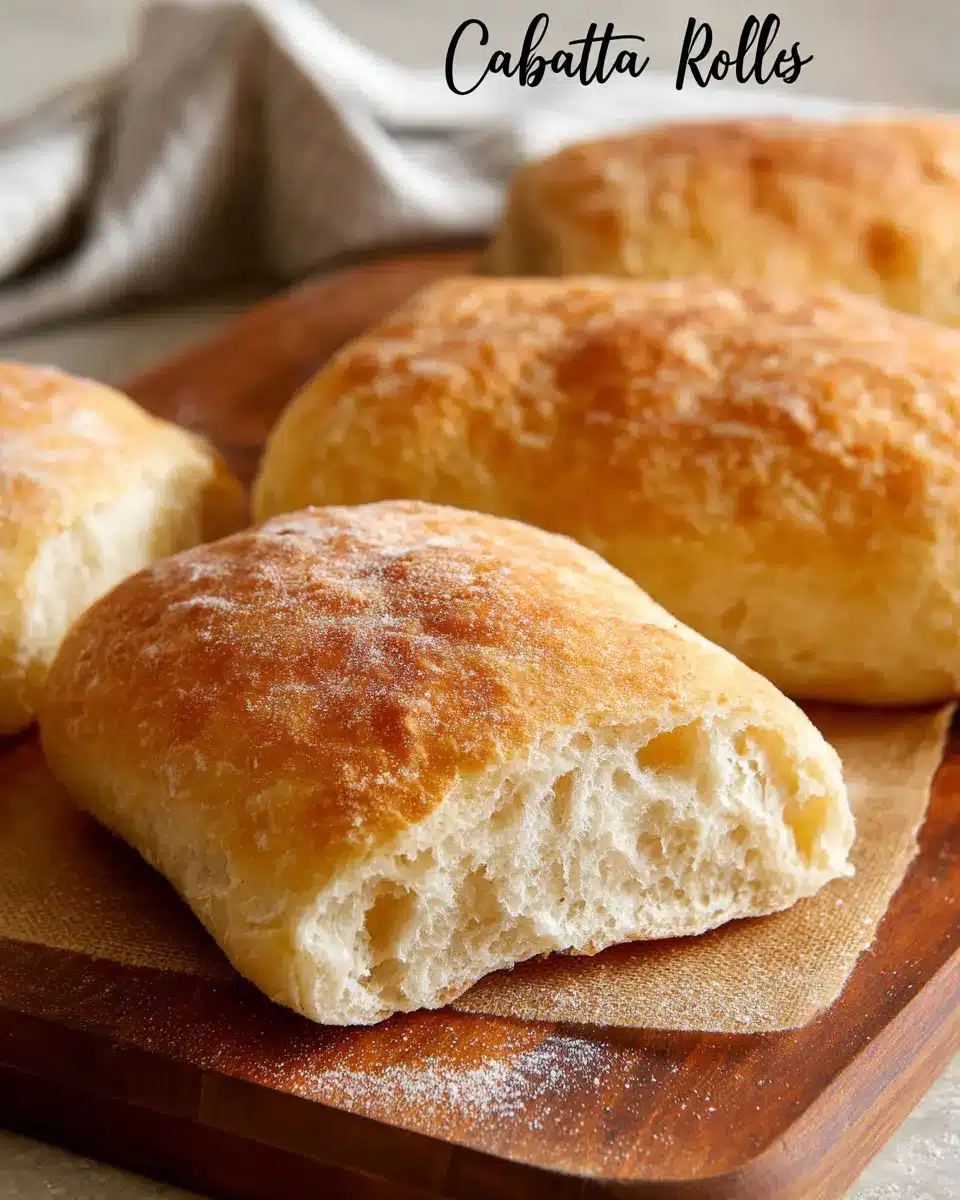
Variations on Ciabatta Rolls
Herb-infused ciabatta rolls
Looking to elevate your homemade ciabatta rolls recipe? Try adding fresh herbs! Chopped rosemary, thyme, or oregano stirred into the dough will impart a fragrant aroma and delightful flavor. Not only do these herbs add a savory twist, but they also serve as a great pairing for soups or hearty sandwiches. Just about one tablespoon of your chosen herbs should do the trick!
Whole wheat ciabatta rolls
For a healthier spin, consider making whole wheat ciabatta rolls. Swap out half of the bread flour for whole wheat flour in your recipe. This will not only add a nutty flavor but also enhance the nutritional content with more fiber. The texture may be slightly denser, but it remains incredibly delicious and satisfying. Who wouldn’t love a wholesome roll for their sandwiches? If you're keen on learning more about the benefits of whole grains, check out this detailed guide from the Whole Grains Council.
By trying these variations, you’ll hit all the right notes with your homemade ciabatta rolls!
Cooking Tips and Notes for Ciabatta Rolls
When crafting your homemade ciabatta rolls recipe, a few tips can elevate your baking game:
-
Hydration is Key: The dough should be wet and sticky, which contributes to those airy holes in the rolls. Don’t shy away from adding a little extra water if needed.
-
Shape Gently: When rolling out the dough, remember to stretch, not knead. Overworking the dough can deflate those precious air bubbles.
-
Preheat the Oven: A hot oven is critical for achieving that perfect crust. Ensure your oven is fully preheated before placing the rolls inside.
-
Use Steam: For a crusty exterior, add water to a pan in the oven or spritz the rolls before baking.
Experimentation yields the best results, so embrace the process and enjoy the delicious aromas wafting through your kitchen! Be sure to check out other bread-making tips in resources like King Arthur Baking for more great insights.
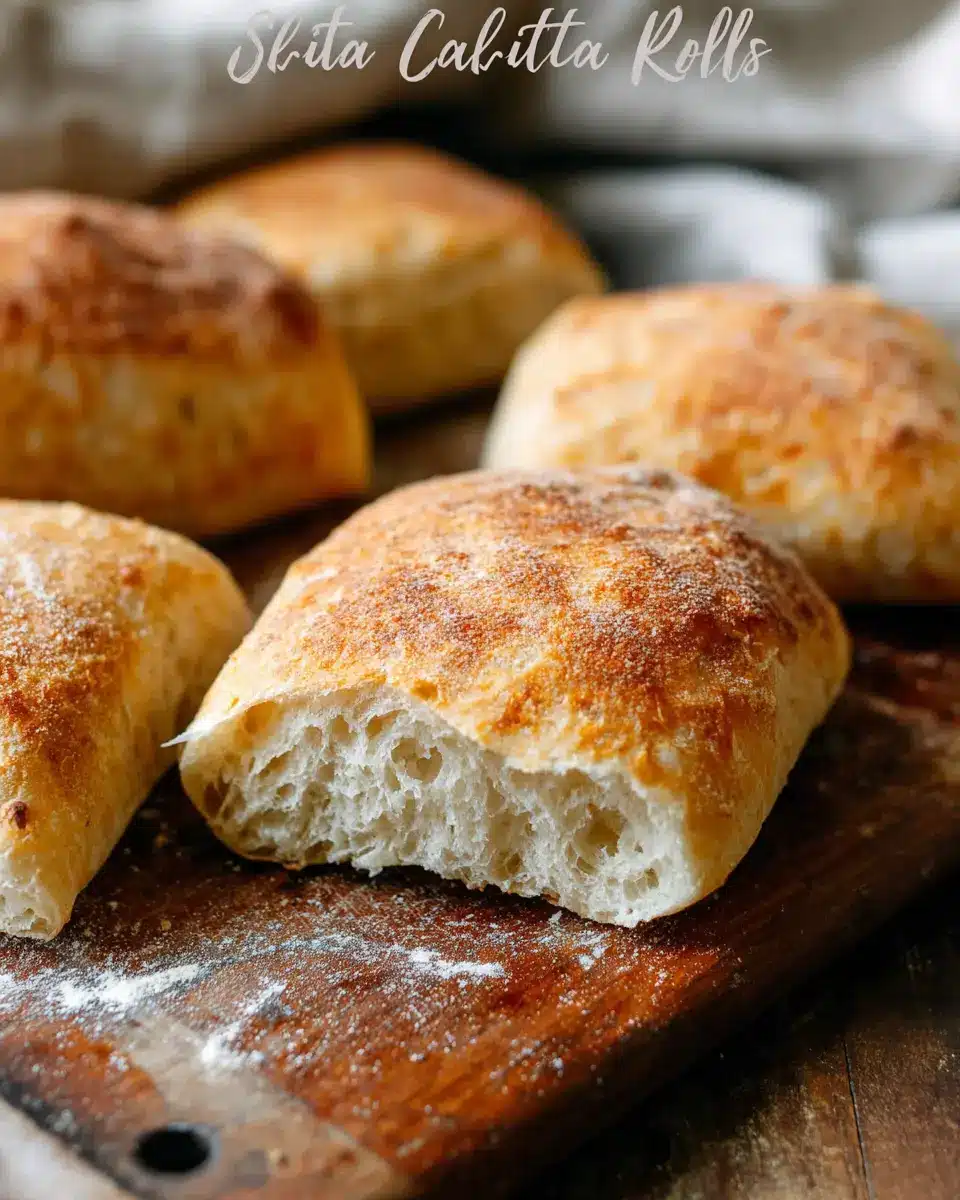
Serving Suggestions for Homemade Ciabatta Rolls
Homemade ciabatta rolls are incredibly versatile and can star in various dishes to elevate your meals. Here are some delightful serving suggestions:
- Sandwiches: Layer your favorite meaty treats like turkey bacon or chicken ham along with fresh veggies and sauces for a scrumptious lunch.
- Soup Sidekick: Perfectly complement bowls of hearty soup—think tomato or minestrone—by tearing off pieces of ciabatta to dip.
- Bruschetta: Toast your ciabatta rolls, top them with diced tomatoes, basil, and a drizzle of balsamic reduction for a chic appetizer.
- Breakfast Delight: Slice and toast them lightly to create a luscious base for scrambled eggs and turkey bacon in the morning.
Explore more serving ideas, and don’t forget to enjoy this homemade ciabatta rolls recipe with family and friends!
Time Breakdown for Making Homemade Ciabatta Rolls
Preparation time
In just 5 minutes, you can mix together the simple ingredients for your homemade ciabatta rolls recipe. It's a quick process that involves combining flour, salt, yeast, water, and olive oil into a fluffy dough.
Resting time
Allow a total of 4 hours and 30 minutes for the dough to rest and rise. This includes the initial rise of 1 hour and 30 minutes, followed by three shorter resting periods of 30 minutes each to build that wonderful airy texture.
Baking time
Once your dough has risen beautifully, you'll spend 20 to 25 minutes baking those rolls to golden perfection in a hot oven.
Total time
From start to finish, you're looking at approximately 5 hours before you can enjoy those delicious ciabatta rolls. While it may seem like a lengthy process, most of that is hands-off time. Trust me, the result will be worth the wait!
For more tips on baking perfect bread at home, check out King Arthur Baking, a fantastic resource for aspiring bakers.
Nutritional Facts for Homemade Ciabatta Rolls
Calories per roll
Each homemade ciabatta roll contains approximately 150 calories. Perfect for satisfying your cravings without overindulging, these rolls are ideal for a cozy dinner at home or a quick lunch on the go.
Protein content
You’ll find about 5 grams of protein in each roll. While not a complete protein source, it pairs beautifully with protein-rich fillings like turkey bacon or chicken ham, making it a delightful addition to your meal prep.
Sodium levels
With roughly 200 mg of sodium per ciabatta roll, you can enjoy this treat without worrying too much about your salt intake. Just be mindful of what you add to your rolls—a healthy tip for those keeping an eye on their sodium levels is to pair these rolls with fresh veggies or homemade spreads for extra flavor without the extra salt!
For a closer look at the nutritional benefits of homemade bread, consider checking out this source from the USDA for detailed insights.
FAQs about Homemade Ciabatta Rolls
Can I use all-purpose flour instead of bread flour?
Yes, you can use all-purpose flour for this homemade ciabatta rolls recipe, but keep in mind that the texture may be slightly different. Bread flour contains more protein, which helps develop a stronger gluten structure, resulting in the chewy, airy texture that ciabatta is known for. If you decide to use all-purpose flour, your rolls might be a touch denser, but they’ll still be delicious!
How can I store leftover ciabatta rolls?
To keep your ciabatta rolls fresh, store them in a paper bag at room temperature for up to two days. If you want to keep them longer, freeze them! Wrap each roll tightly in plastic wrap or aluminum foil and place them in an airtight container or freezer bag. They can be frozen for up to three months without losing their flavor.
What’s the best way to reheat ciabatta rolls?
Reheating is key to bringing back that fresh-baked flavor. Preheat your oven to 350°F (175°C), place the rolls on a baking sheet, and warm them for about 10 minutes. For a crustier exterior, you can lightly spritz them with water before reheating. Alternatively, you can wrap them in foil for a softer result!
Conclusion on Homemade Ciabatta Rolls
Making homemade ciabatta rolls is not just about baking bread; it’s about creating a delightful experience in your kitchen! These light and fluffy rolls are fantastic for sandwiches or served alongside your favorite soup. Try this homemade ciabatta rolls recipe today, and enjoy the rewarding taste of fresh bread!
For additional inspiration, check out resources like King Arthur Baking for expert tips and variations. Happy baking!
Homemade Ciabatta Rolls recipe
Equipment
- Large glass or ceramic bowl
- baking sheet
- spatula
- Spray bottle
Ingredients
Dry Ingredients
- 3 cups bread flour
- 0.5 tablespoon sea salt
- 1 packet Active Dry Yeast This is equivalent to about 2 ¼ teaspoons.
Wet Ingredients
- 1.5 cups hot water
- 2 tablespoon extra virgin olive oil
Instructions
Preparation Steps
- Combine the bread flour and salt in a large bowl and whisk it together until it seems well combined.
- Measure out the hot water and then let it rest for a minute or two. Add the yeast and whisk. (Don't use the flour whisk or wash it first.)
- Give the yeast mix about 30 seconds to 1 minute and pour it over the flour mix. Combine gently with a spatula.
- When the dough is shaggy, add in the extra virgin olive oil and gently fold it together. Make sure not to press down on the dough directly from the top.
- When well combined, cover with a kitchen towel and let the dough rest for 1 hour and 30 minutes in a warm spot out of the direct sun.
- When time is up, uncover the dough and gently pull it up from the bottom and fold it over the top. Do this four times all around the dough. Let it rest for 30 minutes.
- Repeat the above step 2 times for a total of 3, 30 minute resting periods.
- Lightly flour a piece of parchment paper and roll the dough out of the bowl. Gently stretch it from the bottom into a rectangle shape. Do not knead it or pull from the top. This will crush the air from the yeast.
- Using a dough cutter, cut the dough lengthwise and then cut the individual rolls. You can get 6 - 8 out of each dough ball depending on what you are using it for. Gently pull the rolls apart from the bottom.
- Pull the parchment paper with the rolls onto a baking sheet, cover and then let it rest for 30-50 minutes. Preheat the oven to 420 degrees at this time and place a rimmed baking sheet on the rack below the dough.
- When the final rest time is up, remove the towel and spray the tops of the Ciabatta rolls with water. Place them in the oven and add a ½ cup of water or so to the rimmed baking sheet. Close the oven and bake for 20-25 minutes.
- When done, remove the rolls and let rest for 1 hour.



Leave a Reply