
Introduction to Bibimbap! Korean Rice Bowl
If you’re looking to spice up your dinner routine, Bibimbap, meaning "mixed rice," is a delightful introduction to Korean cuisine that promises both flavor and texture. This colorful rice bowl features a medley of sautéed vegetables, flavorful meat (often marinated beef), and a perfectly fried egg, all drizzled with a spicy-sweet sauce made from gochujang—a staple in Korean cooking.
What is Bibimbap and why should you try it?
Bibimbap! Korean Rice Bowl is not just a feast for the eyes; it’s a wholesome, balanced meal that captures the essence of Korean dining. The beauty of bibimbap lies in its versatility—feel free to swap out the beef for chicken ham or turkey bacon, and customize the vegetables to suit your taste!
Why should you try it? Aside from its vibrant flavors and textures, bibimbap is meant to be enjoyed at room temperature, making it perfect for meal prep or a laid-back dinner with friends. You can learn more about the cultural significance of bibimbap here.
As you dig into this hearty dish, each bite will take you on a culinary journey to Korea. Who wouldn’t want to explore a new culture through its delicious food?
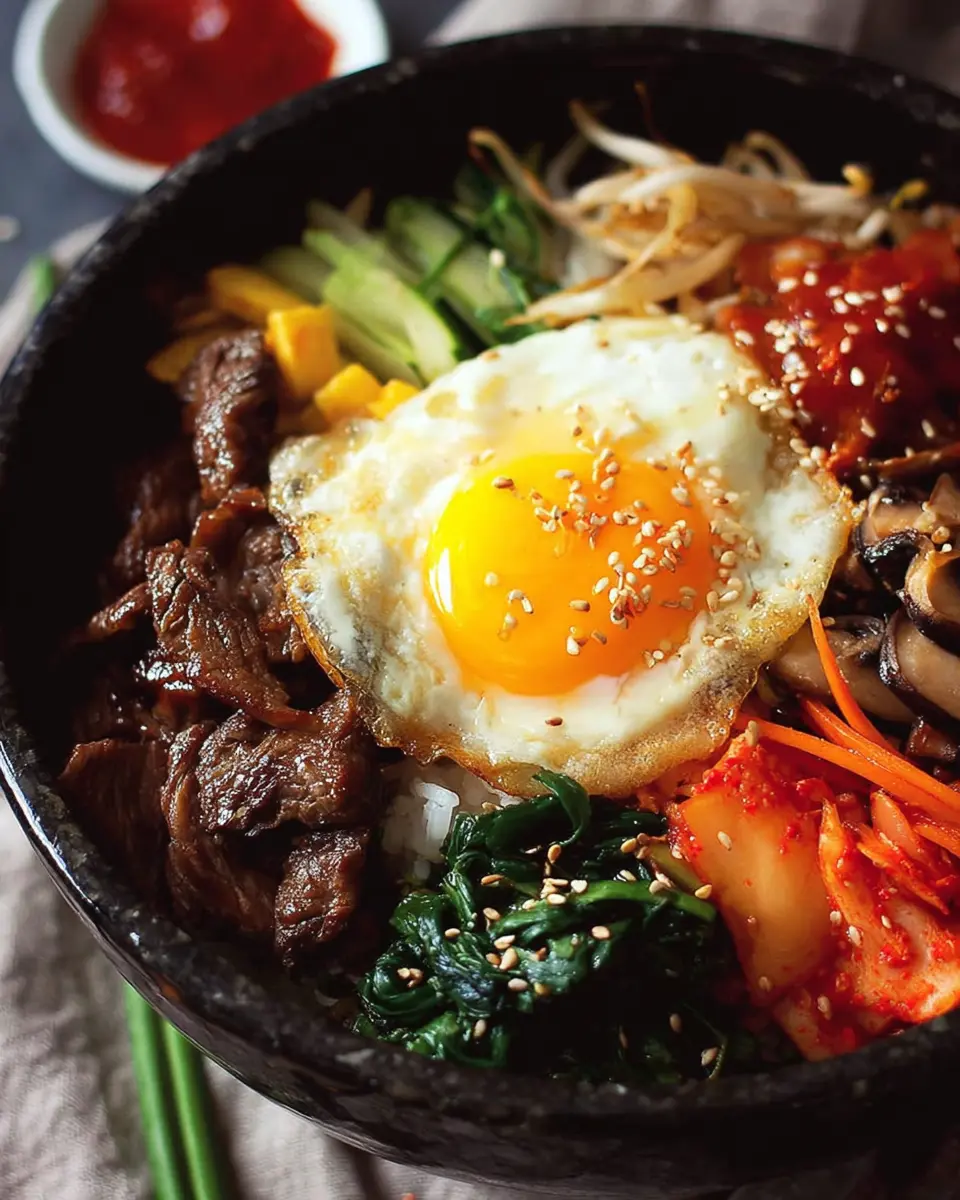
Ingredients for Bibimbap! Korean Rice Bowl
Key ingredients for the rice bowl
Creating an authentic Bibimbap! Korean Rice Bowl is all about the perfect combination of ingredients. You'll need:
- Cooked white rice: 4 cups of short-grain rice is preferred for its sticky texture, making it easy to scoop with chopsticks.
- Beef tenderloin: 250g, sliced finely for marinating – consider using substitutes if needed.
- Eggs: Each bowl is crowned with a perfectly cooked egg, often sunny-side up.
- Variety of vegetables: Essential components include 2 large carrots, 2 zucchinis, a bunch of spinach, and bean sprouts – all bringing color and nutrition to your bowl.
There's a delightful range of textures and flavors here, making each bite a new experience!
Essential components for the Bibimbap sauce
The magic of Bibimbap truly lies in its sauce. You'll want to include:
- Gochujang paste: 4 tablespoons for that signature spicy kick.
- Mirin and rice vinegar: 2 tablespoons each to balance flavors with sweetness and acidity.
- Soy sauce and sugar: These ingredients round out the sauce and enhance the overall umami depth.
Mix these up, and you have a sauce that will elevate your rice bowl from good to unforgettable! Need to learn more about each ingredient? Check out resources from Maangchi or explore flavors at Korean Bapsang.
Preparing Bibimbap! Korean Rice Bowl
When it comes to Korean cuisine, Bibimbap stands out as a delightful and versatile dish. It’s a colorful rice bowl overflowing with flavor and nutrition! Now let’s take a closer look at how we can prepare our very own Bibimbap!
Step 1: Prepare the rice
Start by cooking 4 cups of short-grain white rice, which is traditionally used in Bibimbap. This rice variety tends to be stickier, making it easier to pick up with chopsticks. Ensure you’ve rinsed the rice thoroughly to remove excess starch. I recommend cooking it a little ahead of time so it can cool to room temperature before assembly—this will enhance the texture and flavor when mixed with all the other delicious components.
Step 2: Marinate and cook the beef
Next, let’s focus on the star of the show: the seasoned beef! Slice about 250g of beef tenderloin or a similar cut as thinly as possible. Combine it with a marinade made from grated green apple, minced garlic, soy sauce, honey, and toasted sesame oil. Allow the beef to marinate for at least 30 minutes—this is where the flavors meld beautifully. In a hot skillet, cook the beef until it's caramelized, which should take about 3 to 4 minutes. Set it aside to keep warm while you prepare the other ingredients.
Step 3: Prepare and sauté the vegetables
For the vegetable medley, you’ll want to aim for variety and color. Start with fresh vegetables like sliced carrots, zucchini, and spinach, alongside hydrated shiitake mushrooms and bean sprouts. Heat separate skillets and sauté each vegetable individually with a touch of oil, minced garlic, and soy sauce. The goal here is to ensure they are slightly tender but still vibrant in color. You can also enhance the taste by salting the carrots and zucchini beforehand, allowing them to release some water and absorb flavors more effectively.
Step 4: Make the Bibimbap sauce
Prepare a spicy yet tangy Bibimbap sauce that ties it all together. Whisk together gochujang (Korean chili paste), mirin, rice vinegar, soy sauce, sugar, and fresh garlic until the sugar dissolves completely. This sauce is what elevates your Korean rice bowl—it’s a balance of heat and sweetness that complements each ingredient perfectly.
Step 5: Assemble the Bibimbap
Finally, the moment of assembly has arrived! In each bowl, layer a generous portion of rice, followed by your beautifully sautéed vegetables, marinated beef, and a fried egg on top. Don’t forget to sprinkle with sesame seeds for that extra crunch! Drizzle the Bibimbap sauce over everything, and your masterpiece is complete. Serve it warm, or at room temperature, as is tradition.
Now that you’ve got the steps down, you’re well on your way to enjoying an authentic and delicious Bibimbap! Korean Rice Bowl. Try customizing it with different proteins or veggies—it’s your canvas! Happy cooking!
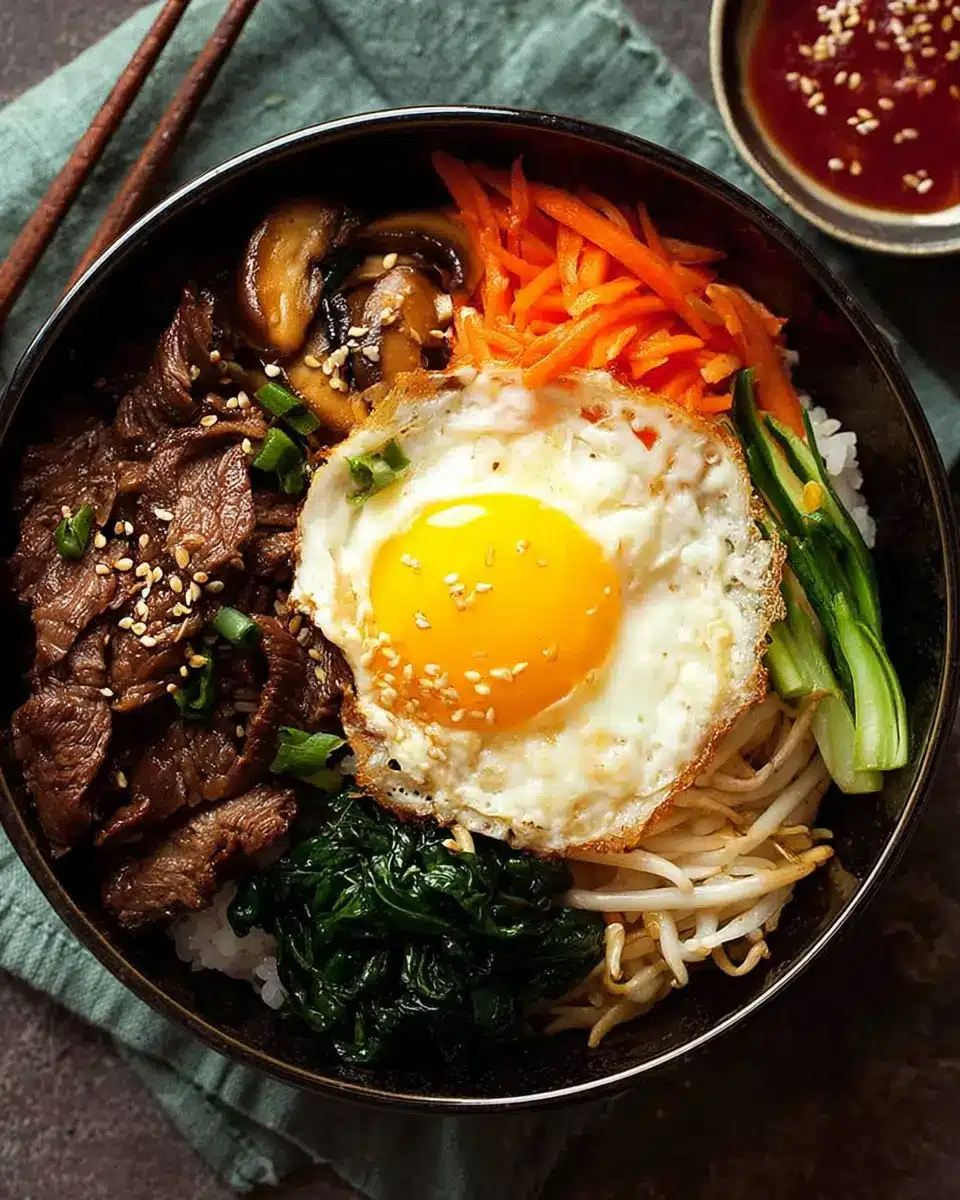
Variations on Bibimbap! Korean Rice Bowl
Bibimbap! Korean rice bowl is wonderfully versatile, making it easy to customize according to your taste preferences. Here are two popular variations you can try.
Vegetarian Bibimbap
Enjoy a meat-free option packed with flavor! Simply swap out the beef for marinated tofu or extra veggies like sliced bell peppers and mushrooms. A mix of sautéed spinach, carrots, and zucchini adds color and nutrition. Drizzle with homemade Bibimbap sauce and garnish with sesame seeds for a delightful meal that’s as satisfying as the traditional version.
Spicy Seafood Bibimbap
Craving something with a kick? This variation features spicy seafood, such as shrimp or sliced squid, marinated in gochujang and sesame oil. Cook the seafood briefly to retain its tenderness, then pile it onto warm rice alongside your choice of fresh veggies. This dish bursts with flavor and is perfect if you're looking to shake things up!
Explore these delicious variations to find your favorite take on Bibimbap! Check out Serious Eats for more tips on exciting mix-ins and preparations.
Cooking tips and notes for Bibimbap! Korean Rice Bowl
Tips for ingredient substitutions
Don’t hesitate to get creative when making your Bibimbap! If the traditional ingredients aren’t available, you can easily swap them out. For instance, feel free to use chicken instead of beef or substitute shiitake mushrooms with any other favorites, like bell peppers or broccoli. Gochujang is essential for that authentic flavor, but in a pinch, sriracha can work too! Check out local Asian stores for authentic ingredients.
How to customize ingredients for your taste
One of the joys of enjoying a Korean rice bowl is its adaptability. Whether you're a veggie lover or a meat enthusiast, customizing your bibimbap toppings is simple! Try adding sweet potatoes for a bit of sweetness, or opt for tofu if you’re looking for a vegetarian option. You can adjust the spice level by adding more or less gochujang, and introduce flavors from other cuisines – think pesto drizzled on top or fresh herbs like cilantro! The possibilities are deliciously endless.
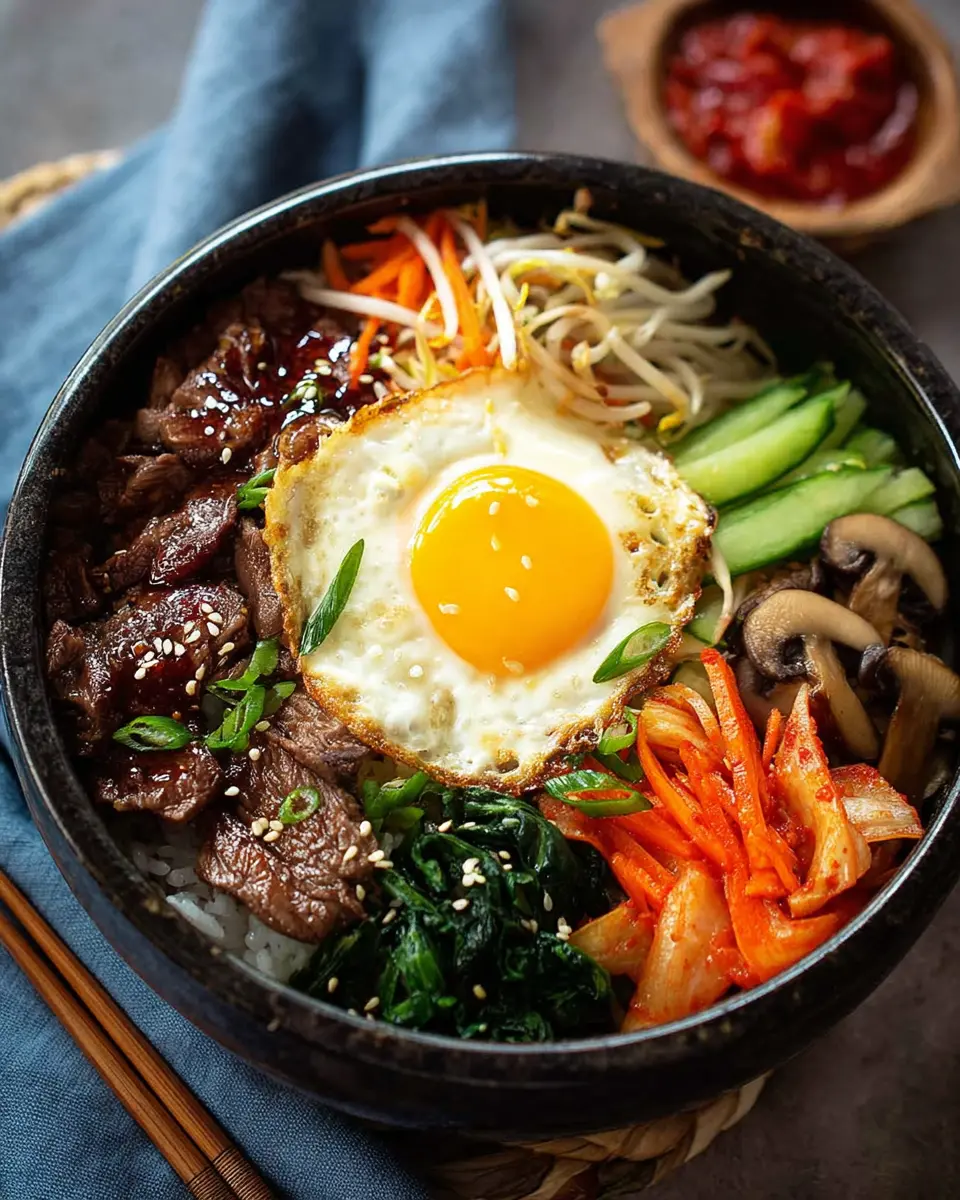
Serving suggestions for Bibimbap! Korean Rice Bowl
Bowls for serving
When it comes to serving your Bibimbap! Korean Rice Bowl, choose shallow, wide bowls that allow the colorful array of ingredients to shine. Traditional ceramic bowls often add an authentic touch, but feel free to use any large, deep bowls you have on hand. Consider decorating them with a decorative touch — perhaps a sprinkle of sliced scallions or sesame seeds to enhance visual appeal.
Accompaniments to enhance your meal
For a truly delightful experience, pair your bibimbap with a variety of accompaniments. Here are some suggestions:
- Kimchi: This spicy fermented cabbage adds depth of flavor and a probiotic kick.
- Pickled Vegetables: Tangy, pickled radishes or cucumbers provide a refreshing contrast.
- Sesame Oil: A drizzle will elevate the dish, accentuating the umami notes.
- Gochujang Paste: Serve on the side for those who love a bit more heat.
These small additions bring your Bibimbap! Korean Rice Bowl to life, making each bite more flavorful and satisfying. Want to elevate your meal even further? Check out more about side dishes at Maangchi.
Time breakdown for Bibimbap! Korean Rice Bowl
Preparation time
Creating the beautiful, colorful layers of your Bibimbap! Korean Rice Bowl takes about 40 minutes. You'll spend this time prepping your vegetables, marinating the beef, and getting everything ready for cooking.
Cooking time
Once you have your ingredients prepped, cooking comes in at around 30 minutes. You’ll be sautéing the vegetables, cooking the beef, and frying the eggs to get that perfect balance of texture and flavor.
Total time
All in all, you’ll need about 1 hour and 10 minutes to prepare and cook this delightful dish. The time spent is well worth it for a meal that’s not only vibrant and delicious but also healthy! With each bite, you'll be reminded of the rich and varied flavors of Korean cuisine. For more on the benefits of Korean food, check out this article on Korean culinary traditions.
Nutritional Facts for Bibimbap! Korean Rice Bowl
Calories
One serving of Bibimbap! packs approximately 689 calories, making it a hearty meal that provides energy for your day ahead. With a balance of ingredients, it's not just filling but offers diverse flavors and nutrients.
Protein
This delightful rice bowl boasts about 27 grams of protein per serving, largely thanks to the marinated beef and eggs. Protein is essential for muscle repair and overall health, making this dish a well-rounded choice for anyone seeking sustenance after an active day.
Sodium
Packed with flavor but mindful of health, Bibimbap contains roughly 1,021mg of sodium per serving. While it enhances the taste, it's important to keep an eye on your daily intake. You can always adjust the soy sauce used in the recipe to make it more heart-healthy.
For additional insights about the health benefits of Korean cuisine, check out Healthline's article on Korean food. Enjoy discovering how delicious meals can also be nutritious!
FAQs about Bibimbap! Korean Rice Bowl
Can I make Bibimbap ahead of time?
Absolutely! Bibimbap is an excellent dish for meal prepping. You can prepare the vegetables and marinated beef in advance, storing them in the fridge for up to 4-5 days. Just reheat the components as needed and assemble your bowls when it’s time to eat. The best part? It tastes just as delicious at room temperature!
What type of rice is best for Bibimbap?
For the perfect Bibimbap! Korean Rice Bowl, short-grain white rice is the way to go. Its stickiness makes it easy to eat using chopsticks. If you prefer a different texture, sushi rice is a great alternative. Either way, the goal is to have rice that can hold all those fantastic flavors together.
How can I adjust the spice level?
If you’re concerned about spice, you can easily modify the level of heat in your Bibimbap! Simply use less gochujang in the sauce or opt for a milder variety. Additionally, you can add a touch of honey or sugar to balance out the heat. Don’t hesitate to experiment until you find your ideal flavor balance!
For more insights on Korean cooking, feel free to check out Beyond Kimchee for authentic recipes and cooking tips.
Conclusion on Bibimbap! Korean Rice Bowl
Bibimbap! Korean Rice Bowl is not just a meal; it’s an experience! Packed with flavors and textures, this dish is a harmonious blend of marinated beef, colorful veggies, and a tangy sauce. With its easy preparation and versatility, it's perfect for both weeknights and special occasions. Enjoy creating your own masterpiece!
Bibimbap! (Korean Rice Bowl)
Equipment
- skillet
- Bowls
Ingredients
Rice
- 4 cups cooked white rice preferably short grain
Eggs and Seeds
- 2 teaspoon sesame seeds
Korean Beef & Marinade
- 250 g beef tenderloin or thick steak very finely sliced
- ¼ green apple grated using box grater
- 3 garlic cloves minced
- 1 tablespoon soy sauce light or all purpose
- 1 tablespoon honey or brown sugar
- 2 teaspoon sesame oil toasted
Vegetables
- 2 large carrots cut into 5 x 0.5cm batons
- 2 large zucchini cut into 5 x 0.5cm batons
- 1 bunch spinach cut into 5cm lengths
- 8 large dried shiitake mushrooms
- 4 cups bean sprouts
- 2 teaspoon garlic minced
- 8 teaspoon vegetable oil separated
- ½ teaspoon salt
- 1.5 teaspoon soy sauce light or all purpose
- ¼ teaspoon fish sauce sub soy
- ¼ teaspoon white sugar
- sesame oil toasted
Bibimbap Sauce
- 4 tablespoon gochujang paste
- 2 tablespoon mirin
- 2 tablespoon rice vinegar
- 1.5 teaspoon soy sauce
- 3 teaspoon white sugar
- 1 garlic clove garlic finely grated
- 2.5 teaspoon sesame oil toasted
Instructions
Bibimbap Sauce
- Mix ingredients until sugar is dissolved.
Marinated Beef
- Mix the marinade in a bowl, then add beef. Marinate for 30 minutes to overnight.
- Heat 2 teaspoon oil in a large skillet over high heat. Let excess marinade drip off then add beef. Cook for 3 – 4 minutes until cooked and there’s some caramelised bits, then remove from skillet.
- Keep warm until required or reheat to warm.
Prepare Vegetables
- Soak mushrooms in a large bowl of boiling water for 30 minutes, or until rehydrated. Drain, squeeze out excess water, then slice.
- Place carrot and zucchini in separate bowls, sprinkle each with ¼ teaspoon salt, toss, leave for 20 minutes then drain excess liquid.
Cook Vegetables
- Heat 2 teaspoon oil in a skillet over medium high heat. Cook mushrooms for 2 minutes. Add 1.5 teaspoon soy, ¼ teaspoon sugar, ½ teaspoon of garlic. Stir for 1 minute, then remove.
- Add 2 teaspoon oil into the skillet, cook carrot until just tender (5 to 8 minutes), then remove.
- Cook zucchini as with carrot for 4 minutes.
- Heat 2 teaspoon veg with a splash of sesame oil. Saute until starting to wilt. Add ½ teaspoon garlic, and salt to taste, stir, then remove.
- Simmer beansprouts in water for 5 min or steam in microwave for 3 min until floppy. Drain under cold water.
- Squeeze out excess liquid with hands, place in bowl. Mix with 2 teaspoon sesame oil, 1 teaspoon garlic, ¼ teaspoon fish sauce.
Assemble
- Fry eggs in a skillet to your taste.
- Place warm rice in bowls.
- Top with vegetables and beef, then lastly, the egg.
- Sprinkle with sesame seeds, drizzled with sesame oil. Serve with Bibimbap Sauce!




Leave a Reply