
Introduction to Traditional Moussaka Recipe
What is Moussaka and why is it beloved?
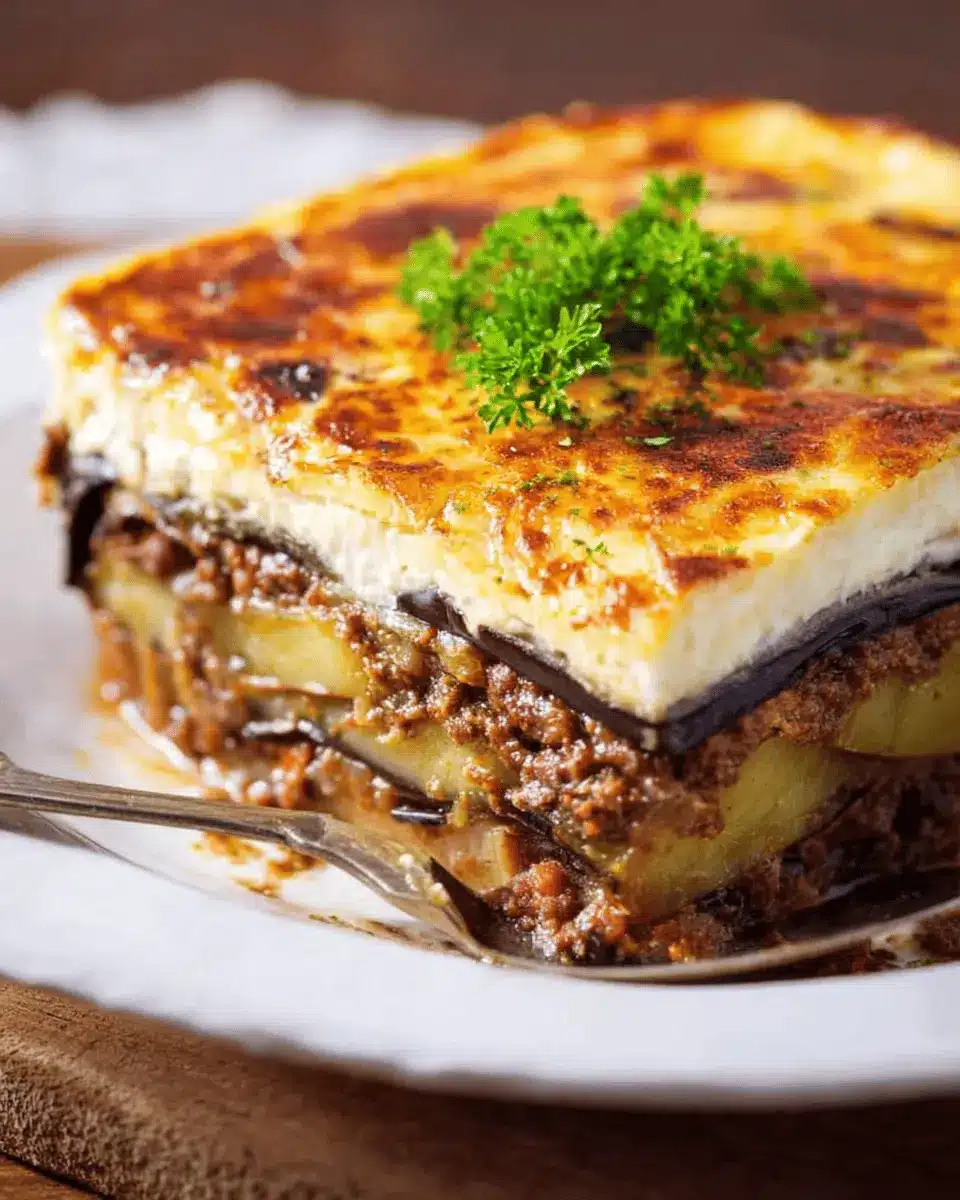
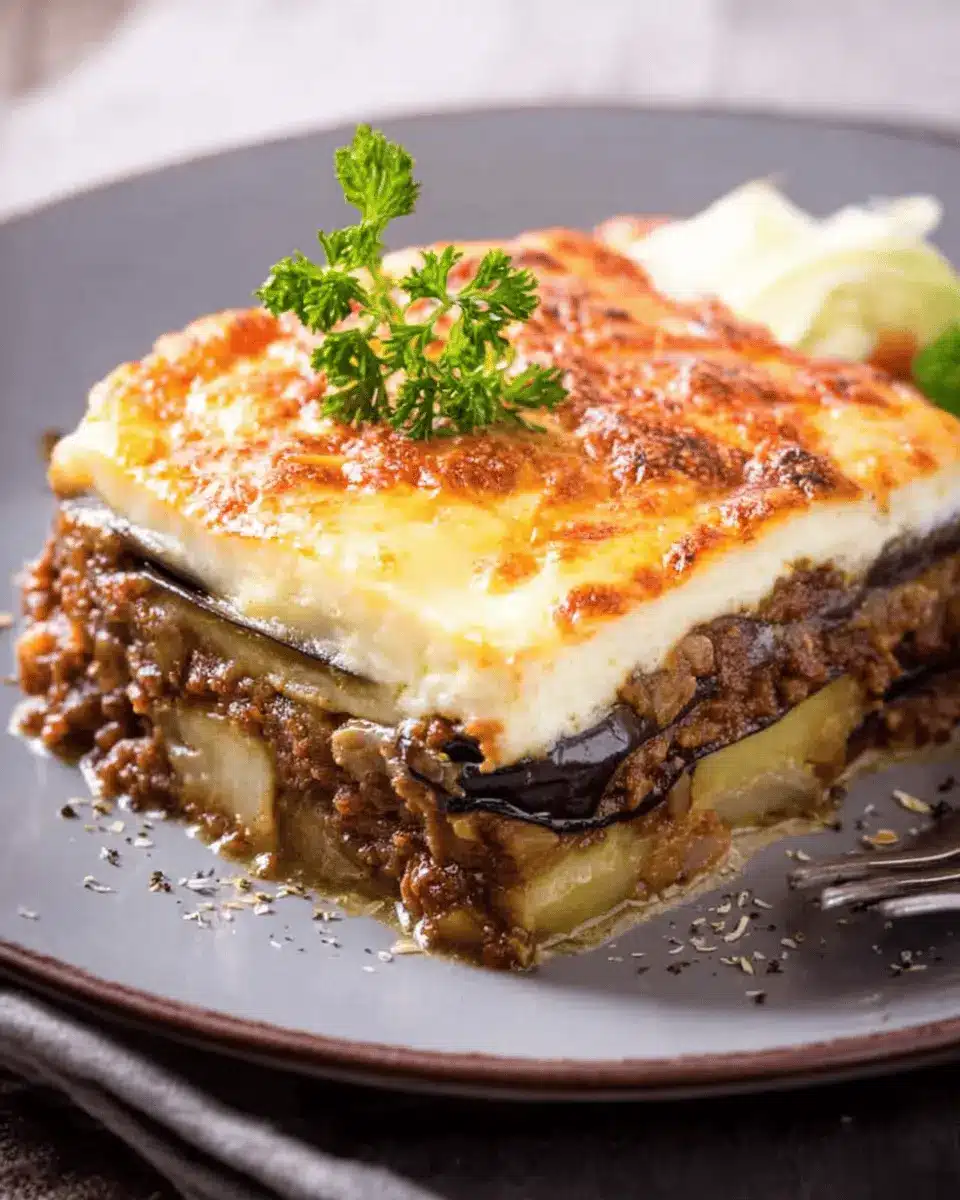
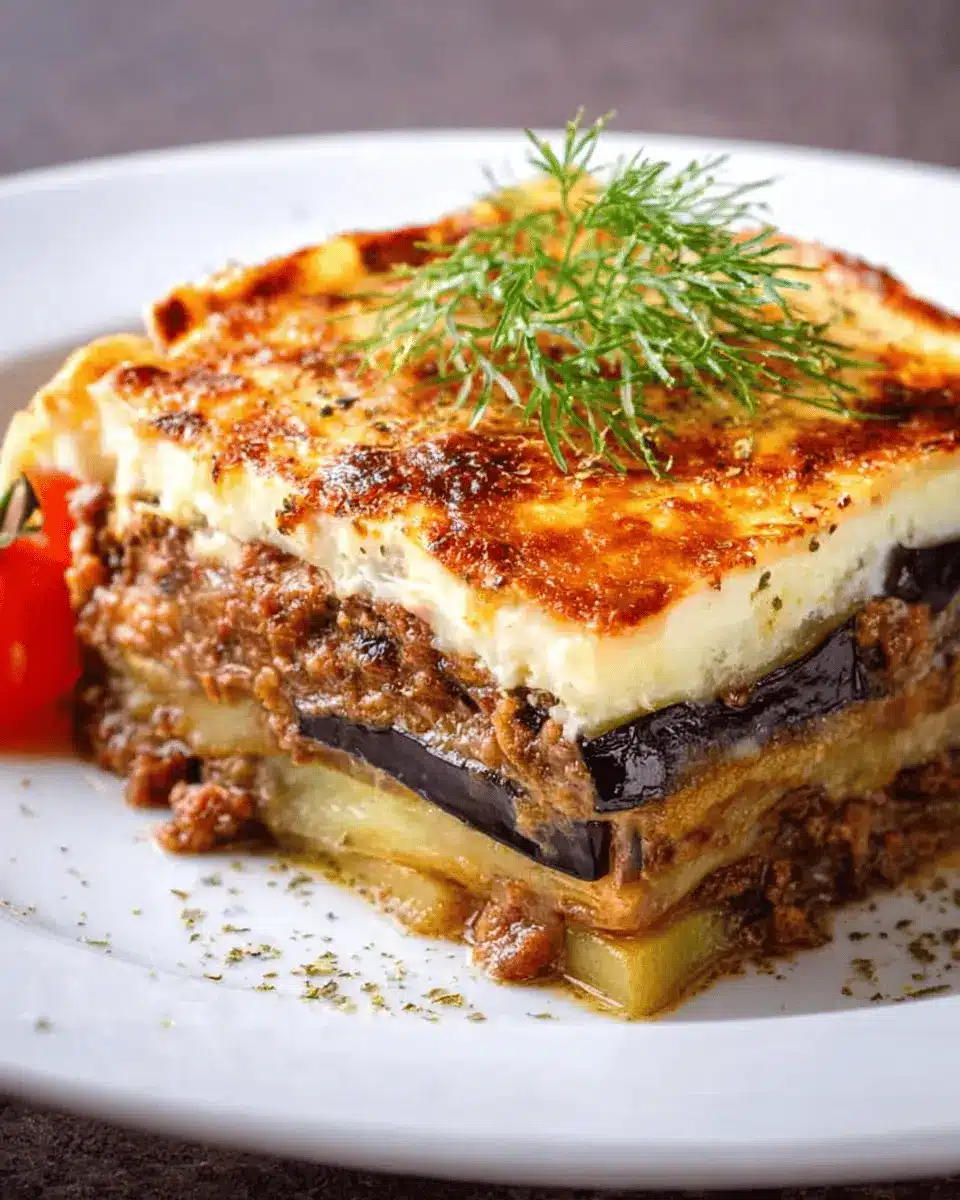
Moussaka is a classic Mediterranean dish that has captured the hearts (and taste buds) of food lovers around the world. Originating in Greece, this flavor-packed casserole features layers of tender eggplants, savory meat sauce—a blend often made with ground beef or lamb—and a rich, creamy béchamel sauce on top. It's truly a comforting meal that brings together beloved ingredients and traditional cooking methods. Whether served for family gatherings or special occasions, moussaka continues to be a symbol of Greek hospitality and culinary artistry.
Emphasizing Homemade vs. Fast Food
In a fast-paced world where convenience often trumps quality, there's something irreplaceable about a homemade traditional moussaka recipe. While you might find quick versions in restaurants or pre-packaged meals, nothing can compare to the deep flavors achieved by slow-cooking and layering fresh ingredients. Homemade moussaka allows you to control the quality of each component, ensuring every bite bursts with authentic taste. Plus, the joy of crafting this dish in your kitchen is a rewarding experience that fast food simply can't replicate. So grab your apron, and let's get cooking!
For a more in-depth dive into the art of Greek cuisine, check out this insightful article that explores traditional dishes.
Ingredients for Traditional Moussaka Recipe
When preparing a traditional moussaka recipe, having the right ingredients is key to capturing those authentic Greek flavors. Let's break it down into three essential categories for clarity.
Base ingredients
- 6 eggplants: These are the stars of the dish, providing a rich, savory flavor.
- 5 potatoes (optional): These will add a delightful layer if you choose to include them.
- Vegetable oil: For frying the eggplants, ensuring they're beautifully golden and crispy.
Meat sauce ingredients
For the heart of the moussaka, you'll need:
- 750g beef or lamb mince: This provides that essential meaty flavor.
- 2 red onions (chopped): These will form a sweet foundation for your sauce.
- 2 cloves of garlic (chopped): Because what’s a good sauce without garlic?
- 1 tin chopped tomatoes (400g): For that juicy, tangy element.
- 2 tablespoon tomato paste: To deepen the tomato flavor further.
- 1 teaspoon sugar: This balances the acidity of the tomatoes.
- 1 bay leaf and whole cloves (optional): For aromatic depth.
- A pinch of cinnamon: To give a warm, unique taste.
- Salt and pepper: To taste.
Béchamel sauce ingredients
Finally, for that creamy topping, gather:
- 900ml milk: The base of your béchamel sauce.
- 120g butter and flour: These create the roux for thickening.
- A pinch of nutmeg: This adds a lovely hint of spice.
- 2 egg yolks: To enrich the sauce.
- 100g hard cheese (like Parmigiano-Reggiano): For a sumptuous finish.
These ingredients combine to create layers of flavor, texture, and comfort in your traditional moussaka. If you’re curious about variations or more tips, don’t forget to check My Greek Dish for additional recipes and ideas!
Step-by-Step Preparation of Traditional Moussaka
Prepare the eggplants
To kick off your adventure in cooking this traditional moussaka recipe, start with the eggplants. Remove the stems and cut the eggplants into slices that are about 1 cm thick. Sprinkle them generously with salt and place them in a colander. This step is crucial as it helps draw out excess moisture and bitterness from the eggplants. Let them sit for about half an hour, while you enjoy a coffee or reflect on your culinary prowess. Once the time is up, rinse the eggplants thoroughly under running water, squeezing them gently to remove moisture. Pat them dry with paper towels and set them aside.
Slice and prepare the potatoes (if using)
If you’re adding potatoes to your moussaka, now is the time to slice them into thin 0.5 cm rounds. You can choose to fry them until golden brown in vegetable oil or opt for a healthier route by baking them lightly seasoned with salt and a drizzle of olive oil. Either method works, but the choice is yours! Once done, set them aside to cool while you move on to preparing the meat sauce.
Cook the meat sauce
Now, let’s dive into cooking the heart of our moussaka—the meat sauce! Grab a large pan, set it to medium-high heat, and pour in some olive oil. Stir in the chopped onions and sauté until they become soft and translucent. Next, add the minced beef or lamb, breaking it up with a wooden spoon. Once the meat is nicely browned, toss in chopped garlic and tomato paste, cooking just until fragrant. Add chopped tomatoes, a pinch of sugar, bay leaf, cloves, salt, and black pepper. Simmer this mixture for about 30 minutes, letting the flavors meld beautifully.
Make the béchamel sauce
For that luscious creamy top layer, it’s time to prepare the béchamel sauce. In a separate saucepan, melt the butter on low-medium heat. Whisk in the flour continuously until you have a smooth paste. Now, gradually add warmed milk while whisking to keep things lump-free. Cook this mixture until it thickens to a creamy consistency. Once ready, stir in egg yolks, a pinch of nutmeg, and most of the grated cheese, saving some for the top layer!
Assemble the moussaka
With all your components ready, it’s assembly time! Grab a large baking dish (roughly 20x30 cm) and butter the bottom and sides. Start layering: first the potatoes (if using), followed by half of the fried eggplants. Spread the meat sauce evenly over these layers, then add the remaining eggplants. Finally, pour the béchamel sauce on top, smoothing it out gently.
Bake until golden brown
Preheat your oven to 180°C (350°F) and sprinkle the reserved cheese over the top layer of béchamel. Bake your moussaka for approximately 60 minutes, or until the top is beautifully golden and bubbly. Patience is key here—allow it to cool slightly before slicing, ensuring you get neat portions with that irresistible creamy layer intact. Serve with a refreshing Greek salad for a truly authentic experience!
Variations on Traditional Moussaka
Vegetarian Moussaka
If you're looking to enjoy a traditional moussaka recipe without the meat, try a vegetarian variation. Replace the meat sauce with a hearty mix of lentils, mushrooms, and spinach. This not only keeps the dish rich in flavor but also packed with nutrients. Consider using a variety of mushrooms to add depth, and don’t forget to layer in some flavorful herbs and spices like oregano and thyme for a delightful twist.
Moussaka with Extra Spices
For those who love a bit of heat, spicing up your traditional moussaka recipe can create an unforgettable dish. Experiment with flavors by adding crushed red pepper, smoked paprika, or even cumin to the meat sauce. These spices will elevate the profile of your moussaka, turning a classic comfort food into an exciting culinary adventure. Serve it alongside a cool yogurt sauce to balance the heat and complement the savory layers!
Looking for more inspiration? Explore this delicious alternative recipe for a vegetarian twist!
Cooking Tips and Notes for Traditional Moussaka
Importance of Allowing Moussaka to Cool
After baking your traditional moussaka recipe, patience is key! Letting your moussaka cool for about 30 minutes before cutting allows the layers to set, making for cleaner, beautifully defined slices. If you cut too soon, the béchamel sauce may ooze out, which can be quite messy. Plus, this waiting period enhances the flavors, allowing them to meld beautifully. Trust me, it’s worth the wait!
Alternatives to Frying Eggplants
Traditionally, eggplants are fried, but you can opt for lighter methods. Consider baking or grilling your eggplants instead. Simply slice them, sprinkle with salt, drizzle with olive oil, and bake at 200°C (400°F) for about 20 minutes. This approach not only cuts down on oil but also brings out a unique depth of flavor. No frying required, but the taste is still fantastic! For more tips on preparing eggplants, check out this eggplant preparation guide.
Serving Suggestions for Traditional Moussaka
Pairing with Greek Salad
A traditional moussaka recipe shines when paired with a bright Greek salad. The freshness of cucumbers, tomatoes, red onions, olives, and a sprinkle of feta cheese balances the rich, savory flavors of the moussaka. Feel free to whip up your own salad dressing using olive oil, lemon juice, and oregano to enhance those authentic Mediterranean vibes. Looking for a recipe? Check out this delightful Greek Salad.
Suggested Side Dishes
To complete your meal, consider serving:
- Warm Pita Bread: Perfect for scooping up leftover béchamel or meat sauce.
- Roasted Vegetables: Seasonal veggies drizzled with olive oil and herbs create a lovely, colorful side.
- Tzatziki: This refreshing yogurt and cucumber dip adds a cool contrast to the dish.
Each of these options serves not just as a side dish, but as a way to enhance the overall dining experience while celebrating Greek cuisine's vibrant flavors!
Time Breakdown for Traditional Moussaka
Preparation Time
Get those apron strings ready! You'll need about 45 minutes to gather your ingredients, slice your eggplants and potatoes, and whip up that delicious meat sauce. It’s the perfect time to crank up your favorite playlist.
Cooking Time
While you’re prepping, the aromas of your kitchen will be divine. Expect to spend approximately 60 minutes baking the layers of goodness in the oven. Your patience will definitely pay off!
Total Time
In total, you’re looking at 1 hour and 45 minutes from start to finish. Isn’t it wonderful to know that in just under two hours, you’ll have a delectable traditional moussaka recipe that’s sure to impress your friends and family?
For more tips and a closer look at the traditional Greek cuisine, check out this source for cooking wisdom!
Nutritional Facts for Traditional Moussaka
When indulging in a delicious serving of traditional moussaka, it’s important to know what’s in it! Here's a quick snapshot of the nutritional benefits:
Calories
A typical piece of this hearty dish contains about 400–500 calories, depending on portion size and ingredients. It's a comforting meal that packs a punch in flavors!
Protein
With rich layers of minced meat and creamy béchamel, you can expect a protein content of around 20–25 grams per serving. A great way to fuel your body!
Sodium
Keep an eye on sodium levels; a serving typically contains about 700–900 mg. While tasty, balance your meal with fresh veggies to keep it healthy.
For more tips on making this dish healthier or alternative serving suggestions, check out this article on Mediterranean diets.
FAQ about Traditional Moussaka
Can I make moussaka ahead of time?
Absolutely! This traditional moussaka recipe actually benefits from being made in advance. You can prepare it a day ahead, refrigerate it, and then bake it just before serving. This allows the flavors to meld beautifully, enhancing the overall taste.
How do I store leftovers?
If you have any delicious moussaka leftover, store it in an airtight container in the refrigerator for up to three days. To reheat, simply pop it in the oven at a low temperature until warmed through. You can also freeze moussaka for longer storage; just be sure to wrap it tightly to avoid freezer burn. For best results, thaw overnight in the fridge before reheating.
What can I substitute for eggplants?
If eggplants aren’t your thing or you can’t find them, fear not! Zucchini or sliced bell peppers are excellent alternatives that can still provide a delightful flavor and texture. Just make sure to season and cook them similarly to maintain the essence of this traditional moussaka recipe.
For more tips on creating the perfect dish, check out My Greek Dish for further inspiration!
Conclusion on Traditional Moussaka Recipe
Recap the Joy of Homemade Moussaka
Preparing a traditional moussaka recipe at home is a wonderful journey filled with rich flavors and comforting aromas. Each layer, from the delectable meat sauce to the creamy béchamel, offers a taste of Greece right in your kitchen.
Encouragement to Try the Recipe
Don't hesitate to give this recipe a try! Gather your ingredients, invite friends over, and relish in the joy of creating and sharing this classic dish. Your efforts will surely be rewarded with smiles and compliments at the dinner table. Happy cooking!

Traditional Moussaka recipe with eggplants (aubergines) and potatoes
Equipment
- large baking dish
Ingredients
Base ingredients
- 6 eggplants
- 5 potatoes optional
- vegetable oil for frying the eggplants
For the meat sauce
- 750 g beef or lamb mince (26 oz)
- 2 red onions chopped
- 2 cloves of garlic chopped
- 1 tin chopped tomatoes (400g / 14oz)
- 2 tablespoon tomato paste
- 1 teaspoon sugar
- 1 glass red wine
- sea salt to taste
- freshly ground black pepper to taste
- 1 bay leaf
- 3-4 whole cloves optional
- a pinch cinnamon or one cinnamon stick
- ¼ cup olive oil
For the bechamel sauce
- 900 ml milk (31 fl.oz)
- 120 g butter (4 oz)
- 120 g flour (4 oz)
- a pinch nutmeg
- 2 egg yolks
- 100 g Parmigiano-Reggiano or Kefalotyri (3.5oz)
- salt to taste
Instructions
Preparation
- Remove the stalks from the eggplants and cut them into slices, 1 cm thick. Season with salt and place in a colander for about half an hour.
- Rinse the eggplants with plenty of water and squeeze with your hands, to get rid of the excessive water. Pat them dry and fry in plenty of oil until nicely colored. Place the fried eggplants on some paper to absorb the oil.
- Slice the potatoes into 0.5cm slices. Fry or bake them in the same way as the eggplants, seasoning with some salt.
Meat sauce
- Heat a large pan to medium-high heat and add the olive oil. Stir in the chopped onions and sauté until softened and slightly colored. Stir in the mince breaking it up and sauté until it starts to brown.
- Add the garlic and tomato paste, sauté until the garlic starts to soften. Pour in the red wine to deglaze and let it evaporate.
- Add the tinned tomatoes, sugar, a pinch of cinnamon, bay leaf, cloves, and salt and pepper. Bring to the boil, then turn down heat and simmer with the lid on for about 30 minutes or until most juices have evaporated.
Béchamel sauce
- Melt the butter in a large pan over low-medium heat. Add the flour, whisking continuously to make a paste. Gradually add warmed milk, whisking to prevent lumps.
- If the sauce needs to thicken, boil over low heat while stirring until it resembles a thick cream. Remove from stove and stir in egg yolks, salt, pepper, nutmeg, and most of the grated cheese. Reserve some for topping.
Assembly
- Butter the bottom and sides of a baking dish. Layer the potatoes first (if using), then half the eggplants. Pour in all of the meat sauce and spread evenly. Add a second layer of eggplants, then top with all of the béchamel sauce.
- Sprinkle with the remaining grated cheese. Preheat oven to 180C/350F and bake for about 60 minutes or until crust is light golden brown. Let cool slightly before serving.




Leave a Reply